

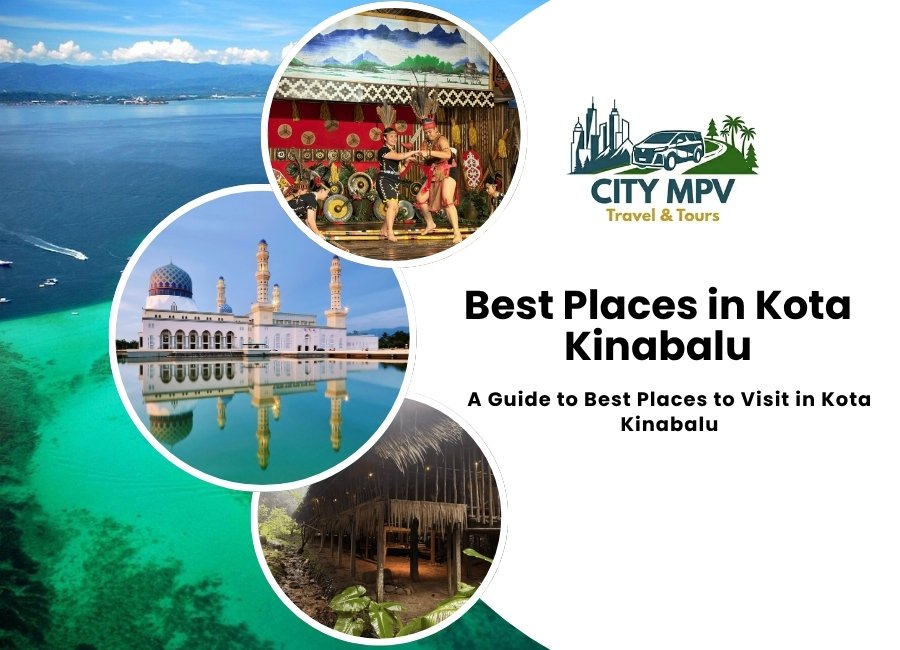
Kota Kinabalu, lovingly called “KK” by locals, sits on the northwest coast of Borneo as the proud capital of Sabah, Malaysia. It is one of those rare cities where you can watch a golden sunset over the South China Sea in the evening, hike through ancient rainforest in the morning, and eat incredible street food somewhere in between. Whether you are a first-time traveler or someone who has been dreaming about Borneo for years, this guide covers every place worth visiting during your Kota Kinabalu tours, along with the practical details you need to make your trip actually work.
Why Kota Kinabalu Belongs on Your Travel List
Kota Kinabalu is frequently ranked among the top three cities in the world for sunsets. That alone says something. But the city offers far more than a pretty sky at dusk. It gives you direct access to a UNESCO World Heritage Site, five tropical islands within a 15-minute boat ride, the tallest peak in Southeast Asia, living indigenous cultures, and a food scene that mixes Malay, Chinese, Filipino, and indigenous Kadazandusun flavors in one plate. The city is also genuinely affordable and safe compared to most popular Asian destinations, which is why tourism here keeps growing every year.
The best time to visit Kota Kinabalu is between March and September, which is the dry season. This period offers the most reliable weather for outdoor activities, island hopping, and mountain climbing. April to December is the best window if diving is your main reason for coming, as underwater visibility peaks in July and August. The wet season runs from December to February, and while travel is still possible, rougher seas and rain can limit some activities.
1. Tunku Abdul Rahman Marine Park
No visit to Kota Kinabalu is complete without spending time at Tunku Abdul Rahman Marine Park. Named after Malaysia’s first Prime Minister, this protected marine park sits just off the city’s coastline and covers 50 square kilometers across five islands: Gaya, Manukan, Mamutik, Sapi, and Sulug.
The nearest island takes only 15 minutes to reach by speedboat from Jesselton Point Ferry Terminal, and the farthest is about an hour away. Boats depart regularly from 8 am to 4 pm daily, and the last boats return from the islands around 5 pm. The return fare starts from approximately RM 35 for adults, plus a terminal fee.
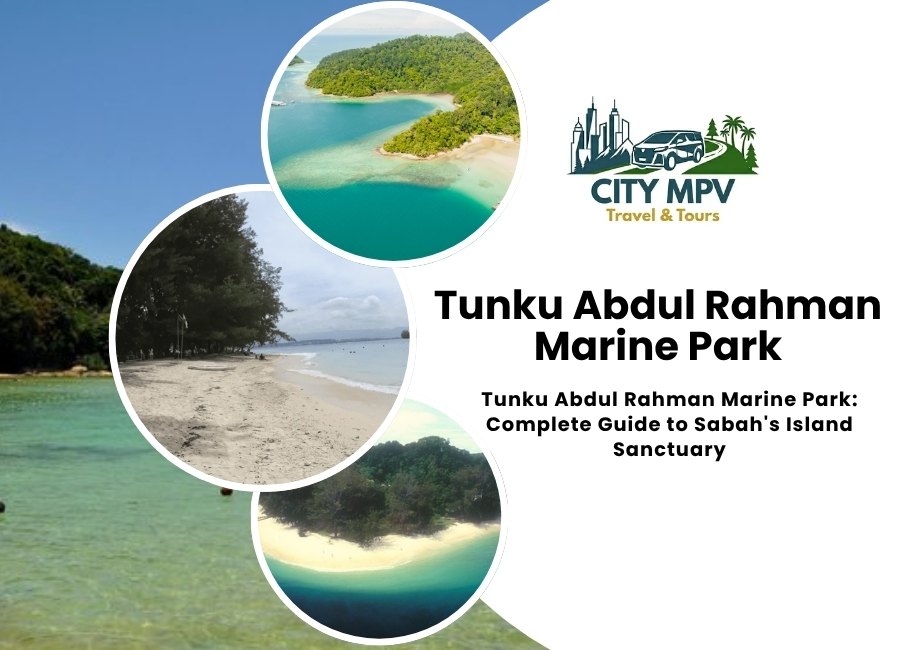
Each island has its own personality. Gaya is the largest at 15 square kilometers and is the most visited. It has dense jungle trails, a plank walk across a mangrove swamp in Gaya Bay, and excellent snorkeling near the jetty. Gaya also hosts luxury eco-resorts, including Gaya Island Resort and Bunga Raya Island Resort, for those who want to stay overnight in the park. Sapi Island, whose name means “Cow Island” in Malay, has one of the finest beaches in the entire park with clear water and healthy coral. Manukan is shaped like a crescent and offers the best beach on its eastern tip, with good snorkeling along its southern and eastern shores. Mamutik is the smallest of the accessible islands and tends to be quieter, making it ideal if you want a more peaceful beach day. Sulug is the least visited and has no tourist facilities.
Water temperatures hover around 30 degrees Celsius throughout the year, making snorkeling and diving genuinely comfortable. Beyond water activities, the islands have jungle trekking trails that pass through forests rich with wildlife. If you prefer not to organize boat transfers yourself, island hopping tours in Kota Kinabalu can be booked on the spot at Jesselton Point, or you can book in advance through tour operators at Wisma Sabah. The dry season from March to September gives you the best underwater visibility for snorkeling and diving.
2. Mount Kinabalu and Kinabalu Park
Mount Kinabalu is the single most iconic natural landmark in all of Malaysian Borneo, and it dominates the skyline on clear days even from Kota Kinabalu city, about 90 kilometers to the east. At 4,095 meters, it is the highest peak in Southeast Asia outside of the Himalayas and the Tibetan plateau. The mountain and the surrounding Kinabalu Park were declared a UNESCO World Heritage Site in December 2000, recognized for their outstanding ecological and biological significance.
Kinabalu Park itself is a world-class destination even if you never intend to summit the mountain. The park holds an extraordinary range of biodiversity, including carnivorous pitcher plants, the massive Rafflesia flower which is the largest individual flower in the world, orchids in the hundreds of species, and four species of primate including the endangered orangutan. The park is genuinely one of the most biologically rich areas on Earth.
Climbing Mount Kinabalu requires a permit, and permits sell out months in advance, particularly during peak season. The standard route is the Summit Trail, which most climbers take over two days with an overnight stay at Laban Rata guesthouse at around 3,270 meters. Summit attempt begins before dawn to catch the sunrise at the top, and on clear days, the view stretches across northern Borneo all the way to the South China Sea. Climbers must be accompanied by a licensed guide.
If summit climbing is not your plan, the park has a range of shorter trails suitable for day visitors, along with a canopy walkway, mountain garden, and guided botanic tours. You can also enjoy rafting, mountain biking, and rock climbing in the broader Kinabalu region.
3. Kota Kinabalu City Mosque (Floating Mosque)
The Kota Kinabalu City Mosque, locally known as the Floating Mosque, is one of the most visually striking religious buildings in all of Southeast Asia. It sits over a lagoon along the Likas Bay area, and at high tide, the entire structure appears to float on the surface of the water. The sight is especially stunning at sunset when the golden domes reflect in the still lagoon below.
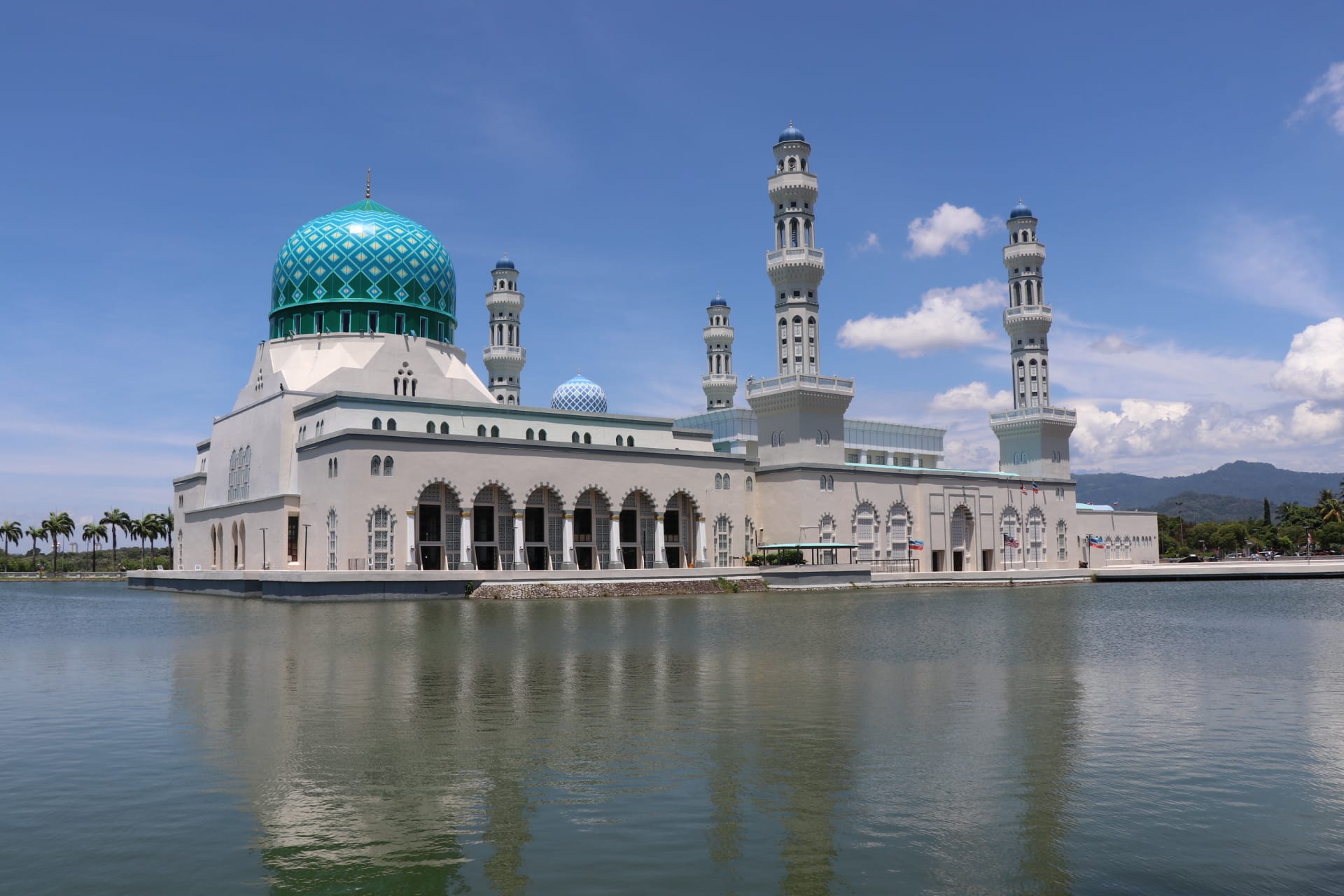
The mosque is open to non-Muslim visitors outside of prayer times, and modest dress is required. The architecture blends modern design with classical Islamic elements, featuring a large central dome surrounded by four smaller domes and tall minarets. The surrounding grounds are beautifully maintained and offer excellent spots for photography.
This is also a genuinely important place of worship, not just a tourist attraction, so visitors should approach it with appropriate respect. There are robes available to borrow at the entrance if you arrive without suitable clothing.
Practical tip: Visit in the late afternoon for the best light. The mosque looks extraordinary from the water level as well, and if you are on a sunset cruise on the South China Sea, you can often see it from the boat.
4. Sabah State Mosque
The Sabah State Mosque is a separate, equally beautiful structure located closer to the city center. It has a distinctive modern design with silver and gold domes that catch sunlight in a way unlike most traditional mosque architecture. The mosque is open to non-Muslim visitors during non-prayer hours, and like the City Mosque, respectful attire is required.
The surrounding gardens are peaceful and well-maintained, and the mosque offers a quieter experience than the more tourist-heavy Floating Mosque. It is a worthwhile stop to understand the spiritual and cultural character of Sabah.
5. Gaya Street Sunday Market
If you are visiting Kota Kinabalu on a Sunday morning, the Gaya Street Sunday Market is one of the best experiences the city can offer. This is not a market designed for tourists. It is where locals come for their everyday needs, which makes it all the more interesting to walk through.
The market runs along Gaya Street in the heart of the city from around 6 am until about noon, and the entire street fills with stalls selling fresh produce, dried seafood, live plants, traditional handicrafts, batik fabrics, sarongs, traditional jewelry, antiques, local snacks, and cooked food. The energy of a genuine local market is hard to replicate anywhere else, and the prices reflect local rather than tourist rates.
The cooked food section alone is worth the visit. You can eat your way through Sabahan, Malay, Chinese, and indigenous dishes for very little money. Hinava, which is a traditional Kadazandusun dish of raw fish cured with lime juice, is one of the things to try if you see it offered.
Practical tip: Go early, ideally before 8 am, for the freshest produce and the least crowded experience. The market wraps up quickly after 11 am.
6. Kota Kinabalu Waterfront and Filipino Market
The Kota Kinabalu Waterfront is the social and entertainment heart of the city. The waterfront strip runs along the coastline and is lined with restaurants, bars, pubs, and entertainment venues. This is where you want to be around 6 pm to watch the sunset over the South China Sea. The sunsets here are legitimately extraordinary, and on clear days, the silhouettes of the Tunku Abdul Rahman islands in the distance make the view even more dramatic.
The waterfront hosts a range of dining options from casual Malay food stalls to Thai and Italian restaurants in Kota Kinabalu, and the atmosphere shifts from relaxed daytime seafront to a lively nightspot after dark. If you want cold drinks and a view while the sky turns orange and purple, this is where KK locals come.
Just nearby, the Filipino Market is one of the most famous night markets in Kota Kinabalu and deserves its own visit. It is a lively, densely packed market that operates in the evening, and the seafood section is its main attraction. You can select fresh fish, prawns, crabs, lobster, and shellfish directly from the stalls, hand them to the cook, and have them prepared to your taste right there. The experience of choosing your own seafood and eating it moments later at a plastic table by the water is one that many visitors describe as the best meal of their entire trip. Prices are reasonable and the atmosphere is full of energy.
7. Signal Hill Observatory Platform
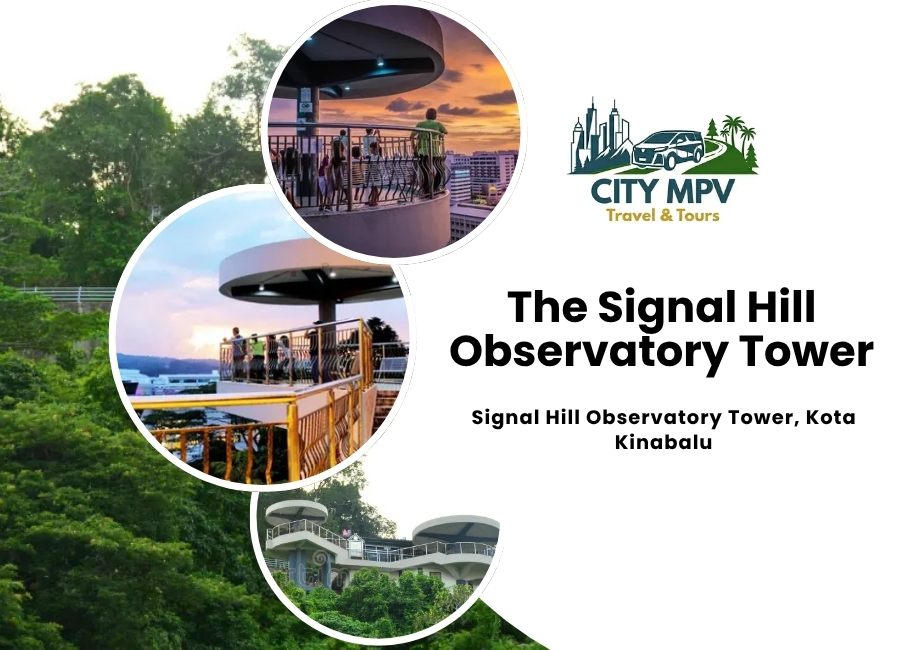
Signal Hill is the highest point within Kota Kinabalu city, and the observatory platform at the top gives you a panoramic view over the entire urban area, the coastline, Gaya Bay, and the islands of Tunku Abdul Rahman Marine Park in the distance. At sunset, the view from here is genuinely one of the best in the city.
You can reach the Signal Hill observatory platform by car in a few minutes from the city center, or on foot via a steep but manageable walk from Padang Merdeka. The platform itself has benches, and there are small food and drink kiosks nearby. The walk up rewards you with progressively opening views as you climb, and the top gives you a full 360-degree perspective of just how dramatically the city sits between mountain and sea.
This is a free attraction and one of KK’s most underrated spots. Many visitors focus entirely on the waterfront for sunset watching, but Signal Hill offers a completely different perspective that is worth experiencing at least once.
8. Mari Mari Cultural Village
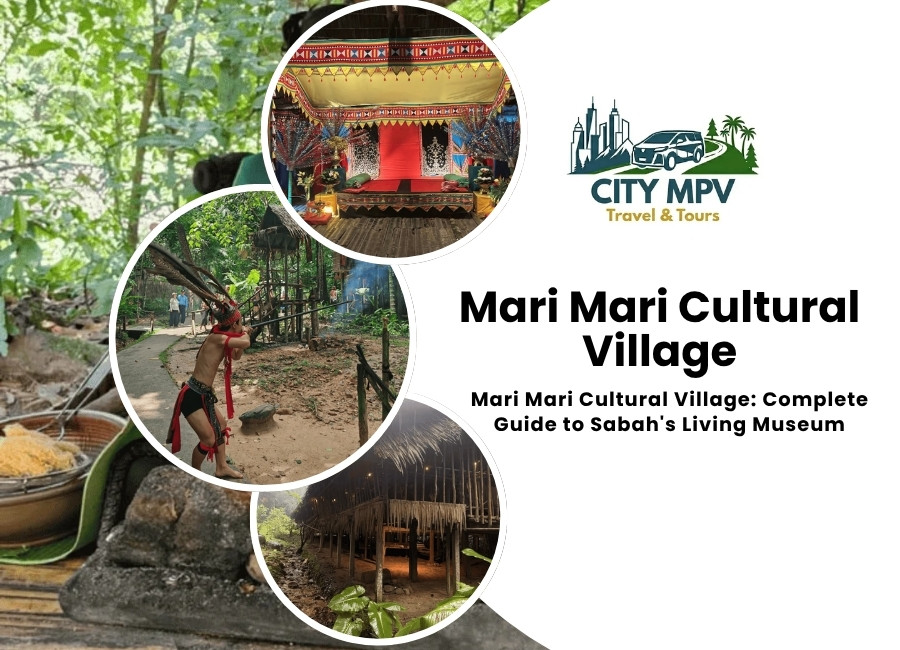
Mari Mari Cultural Village sits about 25 minutes outside Kota Kinabalu city in the Kionsom area and operates as a living open-air museum dedicated to preserving the indigenous cultures of Sabah. It is one of the most authentic and well-executed cultural experiences anywhere in Malaysian Borneo.
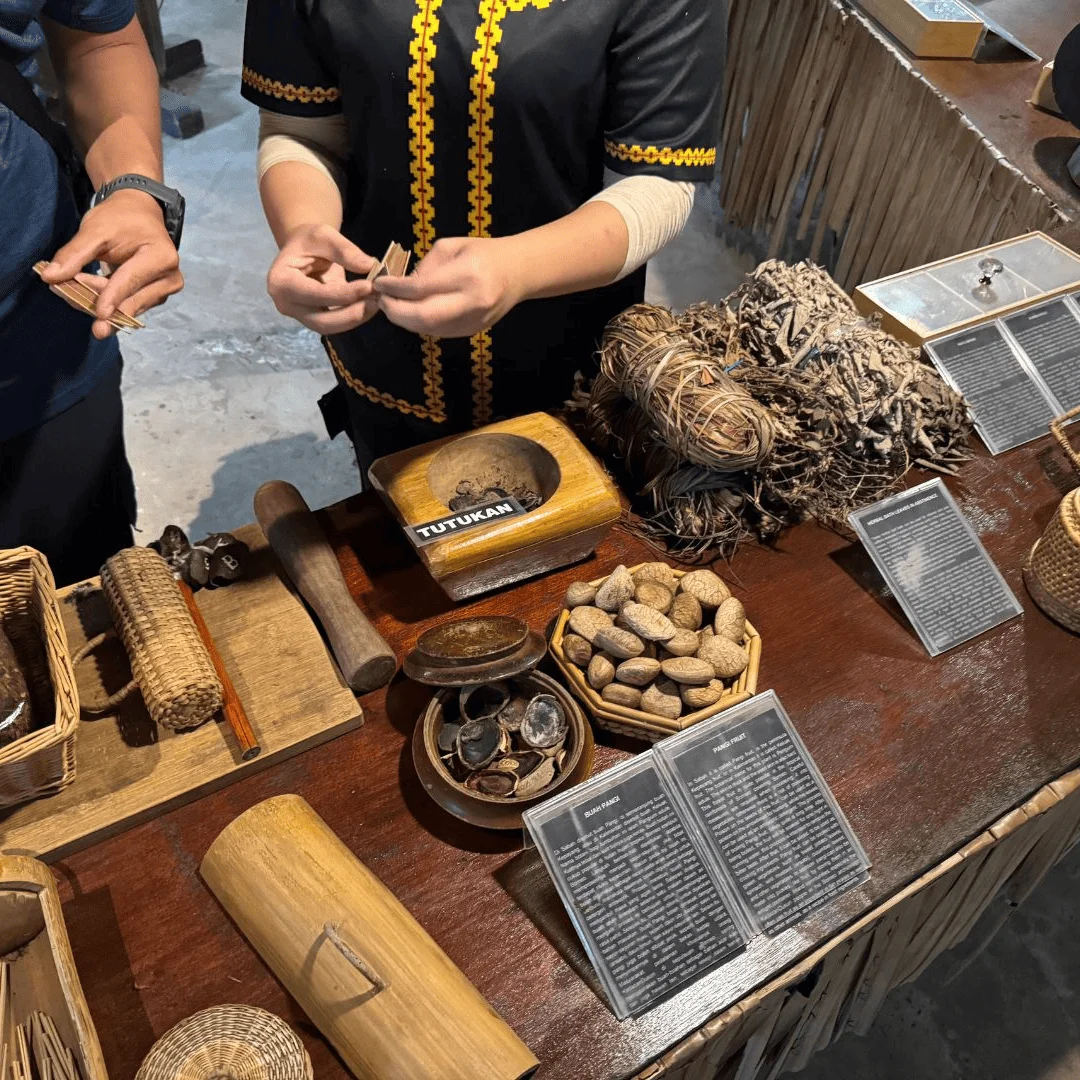
The village is built to represent five major ethnic groups of Sabah: the Kadazandusun, the Bajau, the Murut, the Rungus, and the Lundayeh. Each tribe’s traditional house was constructed by descendants of those tribes themselves, using traditional materials and techniques. Walking through the village, you move between these homes and witness demonstrations of skills and traditions that were once part of everyday life.
Demonstrations include blowpipe making and shooting, traditional fire-starting using a piece of the Polod tree, tattooing and its cultural meanings, and the preparation of traditional foods. Visitors can try these activities themselves, not just observe. The tour also includes sampling traditional foods and wines from each tribe, and cultural performances are held during each session.
Tours run in the morning and afternoon, typically lasting three to four hours, and most include a buffet meal. Booking in advance is recommended, especially during peak travel months.
Practical tip: This is the kind of experience that you should not rush. Choose the morning session if you want to pair it with other things to do in Kota Kinabalu in the afternoon.
9. Sabah State Museum
The Sabah State Museum is the best single place in Kota Kinabalu to understand the natural and human history of Sabah and Borneo as a whole. The museum complex is large, spread across well-landscaped grounds, and contains several distinct galleries and heritage buildings.
Inside the main museum, highlights include an actual whale skeleton, an extensive exhibit on the head-hunting practices of Borneo’s indigenous tribes and the context behind them, one of the largest collections of ceramics in Southeast Asia, natural history displays covering Sabah’s unique fauna and flora, and exhibits on the Orang Sungai, Bajau, Kadazan, and other indigenous communities.
The grounds outside include reconstructed traditional houses from different Sabahan ethnic groups, a science and technology center, and beautifully maintained gardens. Plan to spend at least two to three hours here if you want to do the museum proper justice.
Admission is affordable, and the museum provides genuine depth for anyone who wants to understand Borneo beyond its beaches and mountains.
10. Lok Kawi Wildlife Park
Lok Kawi Wildlife Park, located about 25 kilometers south of Kota Kinabalu, is home to some of Borneo’s most remarkable animals. For many visitors, this is the most accessible place to see Bornean wildlife up close, including species that are extremely difficult to spot in the wild.
The park houses Bornean pygmy elephants, Sumatran rhinoceros, orangutans, proboscis monkeys, clouded leopards, Malayan sun bears, and numerous bird species. There is also a dedicated botanical garden section within the park. The animal enclosures are large and the park places genuine emphasis on conservation and education.
Lok Kawi is particularly good for families with children, and the combination of wildlife viewing with the adjacent botanical garden makes for a full day out of the city.
11. Kota Kinabalu Wetlands and Likas Bay
The Kota Kinabalu City Bird Sanctuary, also known as the KK Wetlands, covers a protected mangrove swamp along Likas Bay and sits just minutes from the city center. It is one of the only urban mangrove sanctuaries in Malaysia and is an important stopover point for migratory birds.
The sanctuary has a boardwalk that winds through the mangroves, and early morning visitors can observe dozens of bird species, including kingfishers, egrets, herons, and migrating shorebirds. The mangrove ecosystem itself is fascinating, with the complex root systems of the trees visible at low tide. This is a genuinely peaceful spot that most short-stay visitors miss entirely, which makes it all the more enjoyable for those who find it.
Practical tip: Visit early in the morning between 6 am and 9 am for the best birdwatching. Bring insect repellent.
12. Atkinson Clock Tower
The Atkinson Clock Tower is the oldest surviving structure in Kota Kinabalu and one of the very few colonial-era buildings to survive World War II. Built in 1905 and named after the city’s first district officer, Francis George Atkinson, who died young of malaria, the tower stands on a small hill at the edge of the city center.
The clock tower itself is modest in size but its historical significance is considerable. It offers a direct physical connection to KK’s colonial past and to the period known as Jesselton, the city’s original name under British North Borneo Company rule. The surrounding area is pleasant for a short walk, and the hill gives views toward the waterfront.
This is a quick stop rather than a major attraction on its own, but it pairs well with a broader walk through the historic parts of the city.
13. Monsopiad Cultural Village
The Monsopiad Cultural Village is a genuinely unique attraction near Kota Kinabalu, named after the legendary Kadazandusun warrior Monsopiad, who lived in the 18th century. The village is still inhabited by direct descendants of Monsopiad, which gives it an authenticity that many cultural tourism experiences lack.
The most striking feature of the village is the House of Skulls, which contains the actual skulls of enemies defeated by Monsopiad in battle, displayed according to traditional custom. The story behind the collection is told in detail during village tours, which also include traditional dance performances, demonstrations of rice wine preparation, and guided walks through the property explaining the cultural and spiritual significance of various features.
The village is about 15 kilometers south of Kota Kinabalu city and makes for an excellent half-day Monospiad headhunter village trip that connects you to the deep historical roots of Sabah’s largest indigenous group.
14. Wisma Merdeka and Local Shopping
Kota Kinabalu has a number of shopping options ranging from modern malls to local market buildings. Wisma Merdeka is a four-story building in the city center with boutiques, retail stores, coffee shops, and an excellent food court on the top floor that serves Malay, Indian, and Chinese dishes. Wisma Sabah, located nearby, houses many of KK’s tour operators and is a practical stop if you want to book day trips from Kota Kinabalu or activities.
For large modern malls, Suria Sabah, Imago Shopping Mall, and 1Borneo Hypermall are the main options. These are air-conditioned, well-stocked with local and international brands, and useful for restocking supplies during a longer trip.
Jesselton Point Waterfront, beyond being the ferry terminal for the island park, also has casual dining, leisure facilities, and shopping along the waterfront area.
Read More On: Things To Do in Sabah
Getting Around Kota Kinabalu
The city itself is navigable on foot for central attractions like the waterfront, markets, Gaya Street, and the Atkinson Clock Tower. For further destinations like the mosques, Signal Hill, or the museum, Grab (the regional equivalent of Uber) is reliable, affordable, and widely available. Taxis are also easy to find but agree on the fare before getting in.
For day trips outside the city like Lok Kawi, Mari Mari Cultural Village tour in KK, or Monsopiad, either join an organized tour departing from the city, or hire a private car for the day. Organized tours are often the most convenient option and include hotel pickup.
Jesselton Point Ferry Terminal is the departure point for all boats to the Tunku Abdul Rahman Marine Park islands. It is easy to reach from the city center by Grab or on foot from the waterfront.
Where to Eat in Kota Kinabalu
Food is one of the great pleasures of visiting KK. The Filipino Market night market is the essential seafood experience. The Gaya Street Sunday Market offers a morning of genuine local flavors. The Waterfront strip has everything from local hawker food to international restaurants.
For a sit-down meal with Sabahan specialties, look for restaurants serving Hinava, Bosou, Tuhau, and Pinaasakan, which are traditional Kadazandusun and Murut dishes you are unlikely to find anywhere else. Ambuyat, a dense starchy dish made from sago, is another regional specialty worth trying. Fresh seafood dominates most restaurant menus in this coastal city, and quality is consistently high.
Best Day Trips from Kota Kinabalu
Beyond the city and its immediate attractions, several outstanding day trips expand what KK can offer.
Kinabalu Park is the most popular day trip, though a full climb of Mount Kinabalu requires two days minimum. The Poring Hot Springs inside the park are accessible as a day trip and offer both natural hot spring pools and a canopy walkway above the rainforest.
The Klias Wetlands, about two hours south of KK, is one of the best historic places in Sabah to see proboscis monkeys and watch fireflies in the evening. Most tours combine this with a river cruise at dusk, which is a beautiful and memorable experience.
Tambunan and the interior highlands are worth considering if you want to see a side of Sabah that feels genuinely remote, with traditional longhouse communities and highland rice-growing villages.
Our Thoughts
Kota Kinabalu works as a destination for almost every type of traveler. Families find it accessible and wildlife-rich. Adventure seekers have world-class climbing, diving, and white-water rafting within reach. Cultural travelers can spend days moving between indigenous villages, museums, and living traditions. Food lovers will eat exceptionally well without spending much money. And anyone who simply wants to sit somewhere beautiful and watch the sun go down will find that KK has few rivals.
The city is a genuine gateway to one of the most ecologically and culturally extraordinary places on Earth. Give it more than two days if you can, because Kota Kinabalu rewards the traveler who is willing to go a little deeper.