

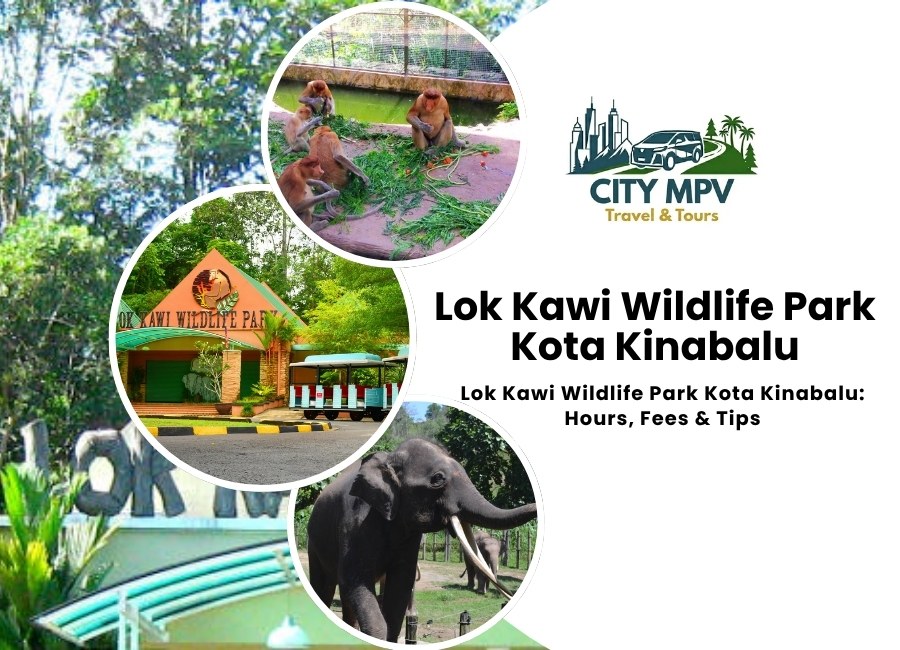
Just outside Kota Kinabalu lies one of Sabah’s most rewarding family attractions. Lok Kawi Wildlife Park brings visitors face to face with some of Borneo’s rarest animals, all within a well-maintained sanctuary that blends conservation with education.
If you are planning a sightseeing tour to Sabah and want to see the island’s famous wildlife without heading deep into the rainforest, this park deserves a spot on your itinerary.
What Is Lok Kawi Wildlife Park
Lok Kawi Wildlife Park, also known locally as Lokkawi Zoo, is run by the Sabah Wildlife Department under the Ministry of Tourism, Culture and Environment. The park was established in 2007 and has grown into one of the top destinations in the region for wildlife enthusiasts. Spread across roughly 280 acres, the park is divided into two main sections.
One side is zoological, home to the animals themselves. The other is botanical, featuring nature trails and native plant life. Most of the animals at Lok Kawi are not captured from the wild. Many are rescued or rehabilitated, which gives the park a genuine conservation focus rather than a purely commercial one.
Location and How to Get There
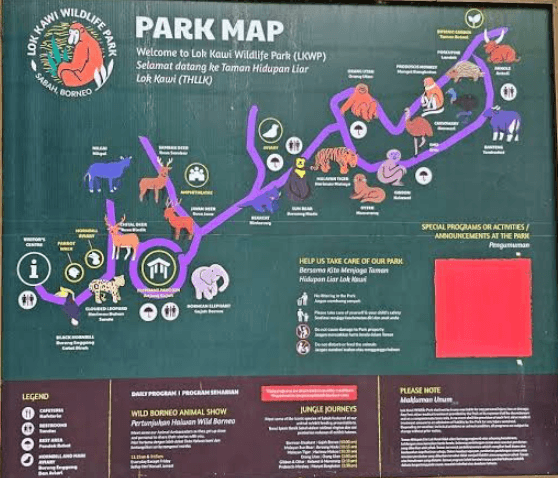
Lok Kawi Wildlife Park sits along the old Penampang-Papar road, about 20 to 25 kilometres southwest of central Kota Kinabalu.
The drive typically takes between 30 minutes and an hour, depending on traffic and your starting point in the city.
There is no direct public bus route to the park. Most visitors arrive by private car, taxi, or as part of an organized tour. Grab and taxi availability can be limited when leaving the park, so it helps to arrange your return transport in advance or book through a local tour operator who handles the logistics for you.
Animals You Can See at the Lok Kawi Wildlife Park Sabah
The star attractions at Lok Kawi are Borneo’s own native species, many of which cannot be seen anywhere else in the world. Visitors regularly spot the following during a walk through the park.
Orangutans, Borneo’s most iconic primate, known for their intelligence and expressive faces.
- Proboscis monkeys are instantly recognizable by their long noses and are found almost exclusively on Borneo.
- Borneo pygmy elephants are a smaller and gentler subspecies unique to the island.
- Malayan tigers and a Sumatran rhinoceros, two of the park’s most critically endangered residents.
- Sun bears, clouded leopards, gibbons, otters, civets, and giant tortoises round out the mammal collection.
- The park’s aviary is another highlight, filled with hornbills and other native birds whose calls fill the air as you walk through.
Daily animal shows, usually held around 11 in the morning and again in the afternoon, give visitors a closer look at how the park cares for and trains some of its animal residents.
The Botanical Trail and Herbal Garden
Beyond the animal enclosures, Lok Kawi offers a paved botanical trail stretching about 1.4 kilometres.
The trail winds through the Herbal and Ginger Garden, where you can spot pitcher plants and other rare species native to Borneo’s rainforest.
This section is managed separately by the Sabah Forestry Department and gives visitors a quieter, greener pace after the excitement of the zoo area.
Comfortable walking shoes are recommended, since the trail features uneven terrain and can get warm during midday.
Lok Kawi Opening Hours and Entrance Fees
Lok Kawi Wildlife Park is open daily from 9.30 am to 5.30 pm, with the ticket counter typically closing around 4.30 pm.
Entrance fees are affordable compared to many wildlife attractions in the region.
Malaysian adults pay around RM10, while children pay roughly RM5.
Foreign tourists are charged closer to RM20 for adults and RM10 for children.
Seniors aged 60 and above, along with visitors with disabilities, usually enter free of charge.
Tips for Visiting Lok Kawi Wildlife Park
Arrive early if you want to catch the first animal show and beat the midday heat. Bring your own water and snacks, since food options inside the park can be limited.
Wear breathable clothing and sun protection, as much of the walking happens outdoors with little shade in certain sections.
If you are travelling with young children, the park’s Children’s Zoo area is a good starting point, with gentler animals like ponies, goats, and pygmy elephants.
Nearby Attractions Worth Combining With Your Visit
Many travellers pair a trip to Lok Kawi with other cultural stops in the area, such as Monsopiad Cultural Village or the Kota Kinabalu City Mosque.
Combining a few of these sites into one day makes for an efficient way to experience both Sabah’s wildlife and its cultural heritage without spending your entire trip on the road.
Planning Your Visit with CityMPV Travel & Tours
Getting to Lok Kawi Wildlife Park and back can be one of the trickier parts of the day, especially with limited public transport and unpredictable ride availability near closing time.
City MPV Travel and Tours, based in Kota Kinabalu, runs wildlife and nature tours across Sabah that take this hassle off your hands, with local guides who know the best times to visit and how to make the most of your day.
If you would like to see Borneo’s proboscis monkeys and other wildlife in their natural habitat as well, their Proboscis Monkey and Fireflies Tour is a great addition to pair with a Lok Kawi Wildlife Park visit for a fuller Sabah wildlife experience.
Stop scrolling and start traveling! City MPV Travel and Tours makes it easy to turn this into your next unforgettable trip. Seats fill fast, so grab yours today.
Book Your Tour