

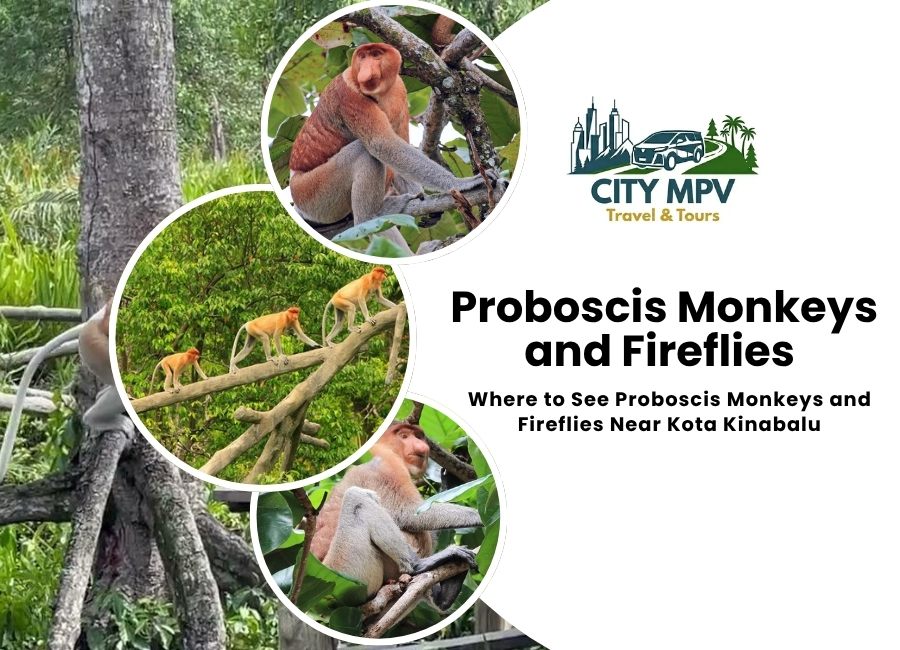
Two things stop wildlife lovers in their tracks when planning a Kota Kinabalu trip: the chance to see the peculiar, large-nosed proboscis monkey in the wild, and the quiet wonder of floating through a dark river corridor while thousands of fireflies pulse in perfect unison overhead. Both happen within a few hours of the city, on the same tour, on the same evening. That alone makes this one of the most memorable day trips you can do in Sabah.
This guide covers every river and location from which you can experience it, what each place is actually like on the ground, how to choose between them, and everything you need to know to go prepared.
Why Proboscis Monkeys and Fireflies Are Worth Going Out of Your Way For
The proboscis monkey (Nasalis larvatus) is found nowhere else on Earth except Borneo. That makes any sighting genuinely rare in global terms. The males carry a fleshy, pendulous nose that hangs below the mouth, originally thought to attract mates by amplifying calls, paired with an orange-toned coat, a pronounced pot belly, and, in mature males, a permanently bright red penis. Locals call them Monyet Belanda, meaning “Dutch monkey,” a colonial-era nickname that has stuck for centuries.
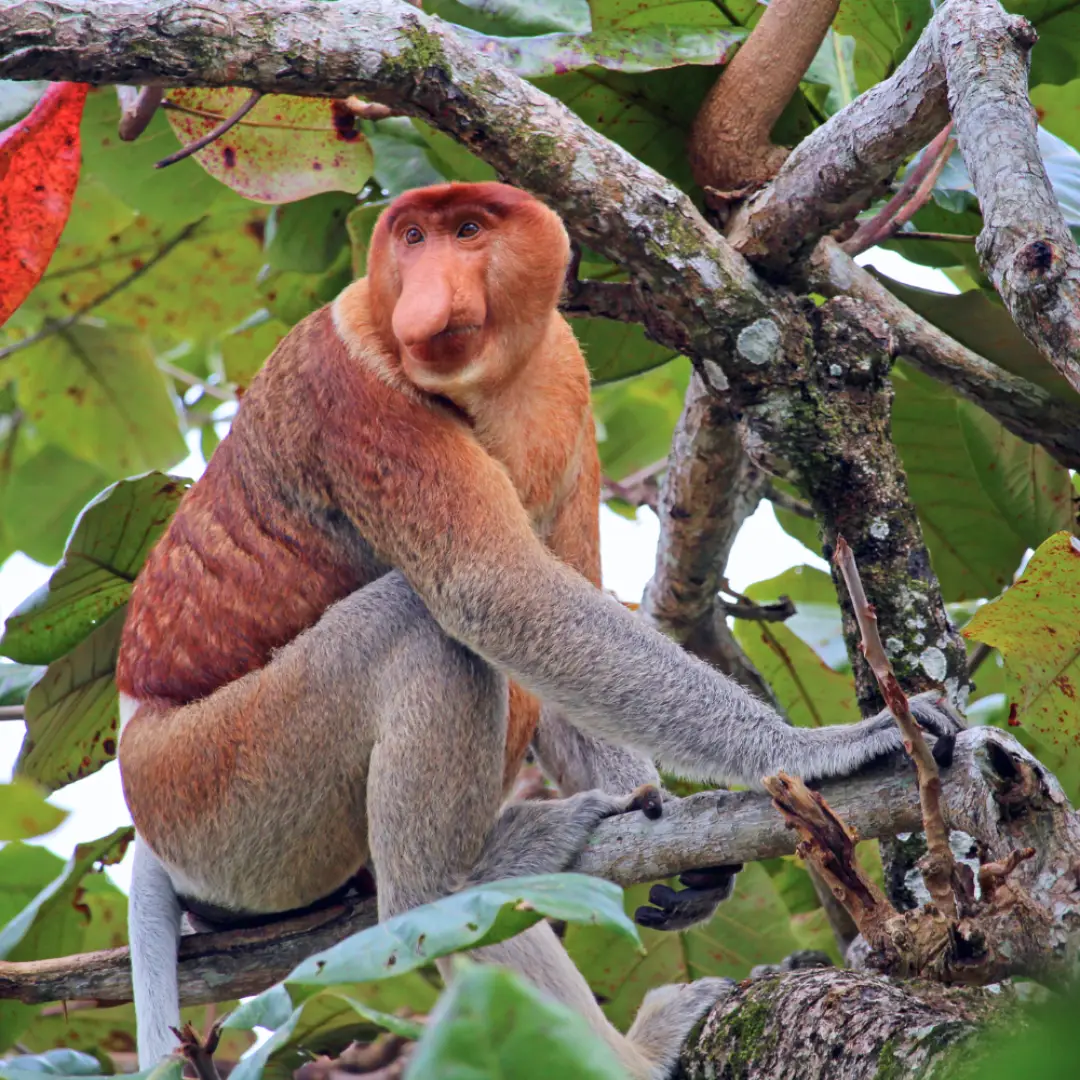
They are listed as endangered, primarily due to the destruction of their mangrove and riverine forest habitat. Seeing them from a slow-moving river boat, gathering in trees at dusk before they settle in for the night, is a reminder of how intact parts of Borneo still are, and how fragile that balance is.
The fireflies are a separate but equally striking experience. In Sabah, five firefly species have been recorded, and the ones found along mangrove rivers belong to a group that synchronises their flashing. As darkness falls, entire stretches of riverbank begin to pulse in a single coordinated rhythm, often described as a living Christmas tree. This behaviour, used for mating signalling, only happens in very specific environmental conditions, which is why Sabah’s undisturbed mangrove rivers are among the best places in the world to see it.
Because proboscis monkeys feed and move actively at dusk and dawn, and fireflies only appear after dark, the two can be experienced on the same trip. You take a sunset river cruise for the monkeys, come ashore for dinner, and then head back out on the water once the fireflies have woken up. It is one of those rare itineraries where nature aligns with your schedule rather than the other way around.
The Main Rivers and Locations Near Kota Kinabalu
Several rivers accessible from Kota Kinabalu host these tours. They are not interchangeable. Each has its own character, wildlife density, crowd level, and distance from the city. Here is an honest breakdown.
Bongawan River — South, Near Sky Mirror, ~90 Minutes
The Bongawan River sits closer to Kota Kinabalu than Weston or Klias, roughly 90 minutes south. It is often packaged with the Sky Mirror visit, a tidal sandbar experience that has become popular in its own right. Bongawan is a legitimate proboscis monkey and firefly destination, and its position near the coast means some tours combine it with sunset photography at the coast before moving to the river. It is a good option for travellers who want to combine two experiences in a single day.
Klias Wetlands (Klias River) — South of KK, ~2 Hours Away
Klias is the most widely marketed option, and for good reason. The wetlands are located about 112 km south of Kota Kinabalu, near the Kota Klias Peninsula, between Beaufort and Kuala Penyu. The river winds through dense mangrove and freshwater swamp, and wildlife sightings here are reliable: proboscis monkeys, long-tailed macaques, silver langurs, kingfishers, darters, and, on rare occasions, saltwater crocodiles. The fireflies at Klias are widely considered among the best of any river in this part of Sabah.
A typical Klias tour departs Kota Kinabalu in the early afternoon, arrives for high tea at the river lodge, cruises for 90 minutes searching for wildlife at sunset, returns for a Malaysian buffet dinner, and then heads back out on the water for the firefly display before the drive home, arriving back around 9 to 9:30 pm.
Garama River — South of KK, Same Area as Klias
Garama sits in the same general zone as Klias, accessed from the Beaufort area. It is narrower and closer to the open sea than Klias, which affects both the wildlife density and the firefly population. Proboscis monkey sightings are generally stronger at Garama than at some other rivers, while firefly displays tend to be better at Klias. If proboscis monkeys are your priority above everything else, Garama is worth looking at as an alternative to Klias, with the bonus of fewer boats on the water.
Weston Wetland Park — South of KK, ~2 Hours Away, 122 km
Weston has earned the nickname “Little Kinabatangan” among locals and experienced Sabah travellers, which tells you a lot about what to expect. Weston Wetland Park is one of the largest river-mouth wetlands in North Borneo. The wildlife variety rivals Klias: proboscis monkeys, silvery langurs, monitor lizards, crocodiles, mudskippers, hornbills, and a wide range of wading birds. Firefly displays here are excellent, arguably more atmospheric than Klias because fewer boats share the river.
What Weston offers that Klias doesn’t is a degree of calm. Because it sits slightly further from the city at about 125 km, it draws fewer operators and smaller group sizes. The sunset over Weston’s mangrove is a particular highlight. Locals refer to it as the “Reddish Fire Sunset,” and it genuinely lives up to that name. For anyone who felt put off by Klias crowd reviews, Weston is the go-to alternative. The extra distance is worth it.
Kawa Kawa River North of KK, Near Kota Belud, ~1.5 Hours Away
Kawa Kawa moves in a different direction entirely — north rather than south, heading toward Kota Belud, approximately 90 minutes from Kota Kinabalu. This is the closest of the major tour rivers to the city, which makes it logistically convenient. The river winds through mangrove and passes small Sabahan villages, giving it a more rural, unpolished character.
Honest traveller feedback about Kawa Kawa suggests mixed wildlife results. Proboscis monkey sightings are less consistent here compared to Weston or Garama, and the firefly display is considered modest by those who’ve compared rivers directly. What Kawa Kawa does offer is a quieter, low-key experience that suits travellers who prefer fewer tourists over guaranteed sightings. Some tours pair Kawa Kawa with the Nanamun River firefly display nearby, which is better than the Kawa Kawa stretch itself.
Nanamun River (Nanamun Village, Kota Belud) — North of KK
The Nanamun River is most often included in Kota Belud-based tours that also use Kawa Kawa for monkey spotting. Nanamun’s firefly population is highly regarded, the mangrove trees along its banks light up vividly after dark, and the river sees far fewer boats than Klias. If you book a Kota Belud tour, your firefly portion will typically be on Nanamun.
Choosing the Right River for Your Visit
There is no single “best” river for everyone, but the decision becomes clearer once you prioritise.
If proboscis monkeys are your main goal, Weston and Klias give you the most consistent sightings. Weston edges ahead on tranquillity; Klias covers the distance faster if you’re tight on time.
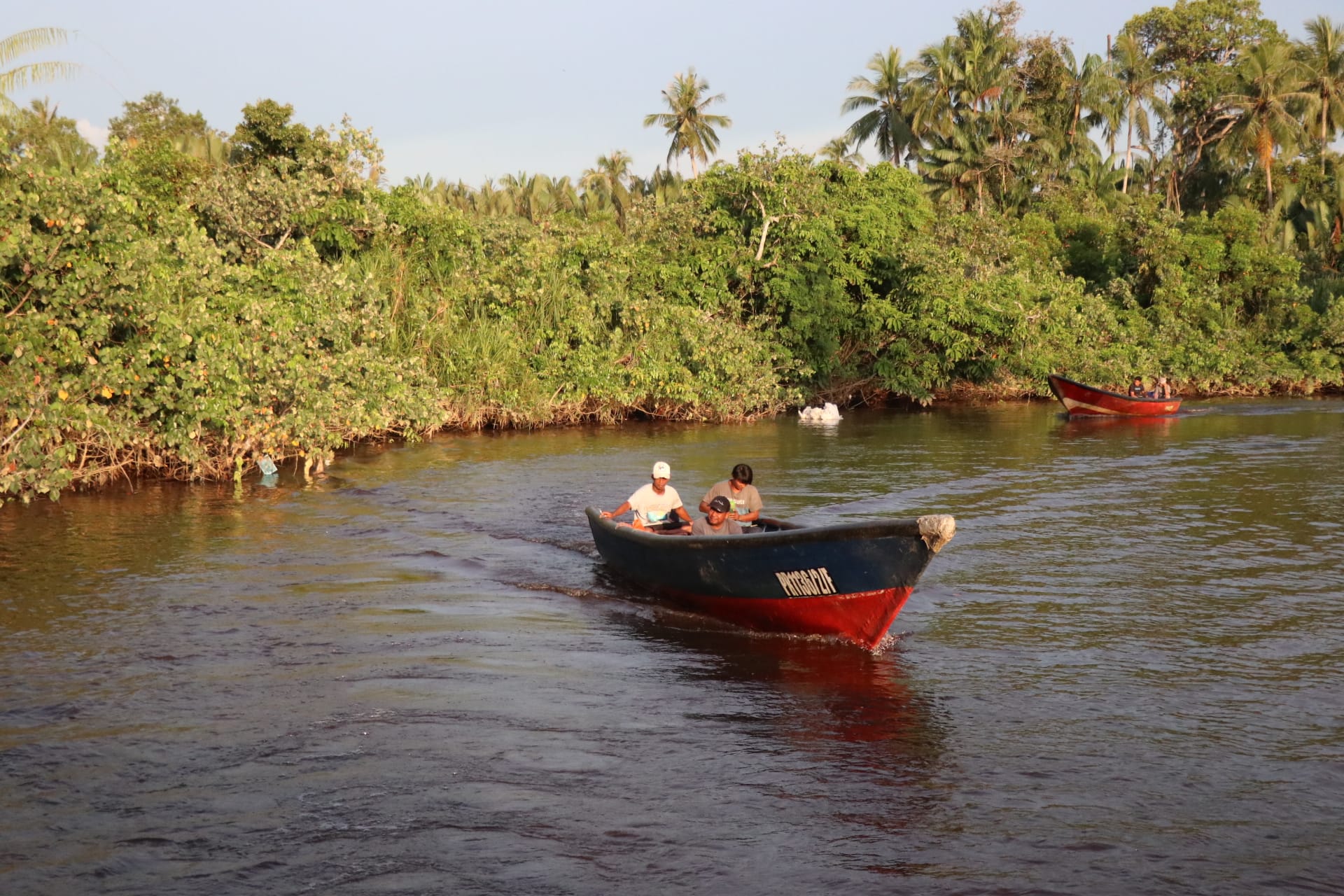
If fireflies matter most and you want to be genuinely moved by the experience rather than watching it alongside a flotilla of tourist boats, Weston or Nanamun are your best choices.
If you want the most popular, easy-to-book option and don’t mind a busier river, Klias is well-established with multiple operators and strong logistical infrastructure.
If you prefer something less touristed with a rustic village character, Kawa Kawa with Nanamun fireflies gives you that, though you should lower wildlife expectations slightly.
If you want to combine the experience with Sky Mirror, Bongawan makes it easy to tick two things off in one day.
City MPV Travel & Tours runs the Proboscis Monkey and Fireflies river cruise from Kota Kinabalu as a full-day tour departing from your hotel, including pickup, river cruise, dinner, and the firefly experience — priced at MYR 200 per adult and MYR 190 per child. It’s an 8-hour trip that covers everything in one seamless day.
What to Expect on the Day
| Time | What Happens |
| 1:00 – 1:30 pm | Hotel pickup from designated point |
| ~4:00 pm | Return to the jetty, Malaysian buffet, or set dinner at the riverside lodge |
| 4:30 – 6:00 pm | First river cruise — prime window for proboscis monkey sightings at dusk |
| 6:00 – 7:30 pm | Return to the jetty, Malaysian buffet or set dinner at the riverside lodge |
| 7:30 – 8:00 pm | Second cruise — firefly display along the mangrove banks |
| 9:00 – 9:30 pm | Back in Kota Kinabalu |
During the afternoon cruise, your guide will help you spot proboscis monkeys as they move between feeding trees before roosting. Males carry the signature pendulous nose; females have a smaller, upturned version. Long-tailed macaques, silvery langurs, kingfishers, and the occasional monitor lizard round out the sightings.
The firefly cruise is quieter and slower. The boat drifts through stretches of berembang mangrove trees (Sonneratia caseolaris), the preferred habitat of Sabah’s synchronising firefly species. As your eyes adjust, individual flickers become clusters, then whole sections of riverbank pulsing in unison. Most guests go quiet without being asked.
Practical Information Before You Go
What to bring. Binoculars make an enormous difference on the afternoon cruise. Most operators supply monoculars, but your own binoculars will give you sharper, quicker sightings. A light long-sleeved layer is useful for the evening boat ride the river is cooler than you expect after dark. Insect repellent is essential. A small flashlight or headlamp is helpful on the return walk from the boat.
Camera settings. Fireflies are notoriously difficult to photograph with a smartphone. If photography is a priority, bring a camera capable of long exposures and a wide aperture lens. The afternoon wildlife cruise is easier to photograph in natural light.
Weather. All times on these tours are estimates and subject to weather conditions. Firefly activity is reduced during rainy or windy conditions, as the beetles shelter from disturbance. The best displays happen on calm nights. You cannot control this, but if you arrive in a dry spell, expect the display to be more vivid.
What to wear. Lightweight, breathable clothing in neutral or dark colours (avoid bright white) is ideal. Closed-toe shoes are more practical than sandals, especially when boarding and disembarking boats in low light.
When to go to Kota Kinabalu. These tours run year-round and are available every day of the week. There is no single “best” month. Proboscis monkeys and fireflies are permanent residents of these rivers. The main variable is weather: the northeast monsoon season (roughly November to March) brings more rainfall but also thinner crowds. Dry season months (April to October) offer more reliable skies for the evening firefly display.
Group size matters. A smaller boat with fewer passengers gives you a quieter, more immersive experience and better sightings because your guide can manoeuvre freely. If the tour operator takes bookings for very large groups, manage your expectations accordingly.
What Makes This Different from Kinabatangan
Travellers who’ve done their research on Sabah wildlife will know that the Kinabatangan River in eastern Sabah is considered the gold standard for Bornean wildlife viewing. Kinabatangan adds pygmy elephants, proboscis monkeys, orangutans, and sun bears to the list of possible sightings.
But Kinabatangan requires either a one-hour domestic flight from KK or a seven-hour overland journey each way. That’s a multi-day commitment. The rivers south and north of Kota Kinabalu offer a version of the same riverine wildlife experience in a single day, without the flights or the overnight stays. For travellers on a short visit to Sabah — or those for whom a separate Kinabatangan trip isn’t possible — the Kota Kinabalu river tours are not a consolation prize. They are a genuinely excellent wildlife experience in their own right.
Combining with Other Kota Kinabalu Experiences
If you’re building out a wider itinerary around Kota Kinabalu, the proboscis monkey and fireflies tour pairs naturally with other experiences on adjacent days.
The Mari Mari Cultural Village gives you the cultural side of Sabah in a single afternoon, with five indigenous tribal homes, traditional food, music, and the kind of storytelling that stays with you. It runs on the same hotel-pickup model as the river cruise, making it easy to slot in.
For island time, Twin Island Snorkeling and Island Hopping between Sapi and Manukan are natural complements, morning at sea, evening on the river.
If you’re curious about the broader range of things to do in KK, the Kota Kinabalu things to do guide breaks down the full picture of activities across the city and surrounding areas, including the KK Wetlands Centre in the city itself, which hosts its own small population of proboscis monkeys if you want a quick wildlife fix without leaving town.
Frequently Asked Questions
Is it guaranteed that I’ll see proboscis monkeys?
No wildlife sighting can ever be guaranteed, but proboscis monkeys are consistently spotted on well-run river cruises at Klias, Garama, and Weston. An experienced guide dramatically improves your odds.
Are fireflies there all year?
Yes. Unlike some seasonal firefly destinations, the Sabah mangrove fireflies are year-round residents. Conditions affect the vividness of the display, but you are not dependent on a specific window.
Is this suitable for children?
Yes. The boat rides are slow and stable, and the combination of monkeys at dusk and glowing fireflies at night is genuinely captivating for younger travellers. Children aged 12 and under typically qualify for a child price with most operators.
Can I do this as a solo traveller?
Yes. Group tours accommodate solo bookings. If you prefer a private arrangement, operators, including City MPV Travel and Tour, can sometimes accommodate smaller private groups.
To Summarize
The proboscis monkey and fireflies near Kota Kinabalu sit in a category that is hard to replicate anywhere else in the world. You are watching an endangered primate that exists nowhere but Borneo, in a mangrove ecosystem that supports one of the most spectacular natural light shows on the planet, all within an afternoon’s drive of a city with great food and comfortable hotels.
Choosing the right river makes a difference. Weston and Klias give you the most reliable wildlife. A smaller, well-guided tour gives you the best chance of quiet sightings. Arriving with binoculars, light layers, and an open schedule will make it better still.
If you’re planning this trip from Kota Kinabalu, the CityMPV Travel and Tours proboscis monkey and fireflies tour runs daily with pickup included. You can also browse the full range of Kota Kinabalu tours and packages to build the rest of your Sabah itinerary around it.