


Kota Kinabalu is one of those destinations that stays on the radar no matter what time of year you check the calendar. Warm temperatures, coral-fringed islands, a lively food scene, and trails that lead up to Mount Kinabalu, none of that goes away.
But knowing when to come still matters. Let’s break it all down by season, by month, and by what kind of trip you’re planning😃
For most travellers, February to April is the best time to visit Kota Kinabalu for drier weather, clearer skies, and better conditions for island-hopping, snorkelling, and outdoor activities. March and April are particularly good. May is worth considering if experiencing Sabah’s Kaamatan Festival is a priority.
The Kota Kinabalu’s Climate
Kota Kinabalu sits at six degrees north latitude on the northwest coast of Borneo. Annual rainfall reaches approximately 2,700 millimetres, and temperatures average between 23°C and 32°C throughout the year. February tends to be the coolest and least rainy month overall, while October is typically the wettest.
Unlike peninsular Malaysia or Thailand, Kota Kinabalu does not follow a sharp wet and dry monsoon pattern. Rain can arrive in any month. The heaviest downpours cluster between October and January, when the northeast monsoon brings wetter weather across Sabah. February through April delivers the driest stretch, but noticeably calmer, with quick showers replacing long, grey spells.
Humidity holds between 70 and 85 percent year-round, so pack accordingly regardless of when you travel.
| Month | Temperature | Rainfall pattern | Travel conditions |
|---|---|---|---|
| January | 23–31°C | Moderate | Good with flexible plans |
| February | 23–31°C | Lower | Excellent |
| March | 24–32°C | Lowest | Excellent |
| April | 24–32°C | Increasing | Very good |
| May | 24–32°C | Wetter | Good + Kaamatan |
| June | 24–32°C | Moderate | Good |
| July | 24–32°C | Moderate | Good, busier |
| August | 24–32°C | Moderate | Good, busier |
| September | 24–32°C | Increasing | Good with flexibility |
| October | 24–31°C | Highest | Wetter |
| November | 24–31°C | High | Wettest period |
| December | 23–31°C | High | Wet, but still visitable |
Dry Season in Kota Kinabalu: February to April
The dry season is widely considered the best time to visit Kota Kinabalu. Rainfall is lower, humidity is more manageable, and consistently sunny weather makes it ideal for exploring beaches, coral reefs, and highland trails.
February is the standout month. It tends to be the least rainy month of the year and is slightly cooler than the months that follow, making it a particularly comfortable time to be outdoors. Hotels and flights are still reasonably priced before the peak school holiday season kicks in
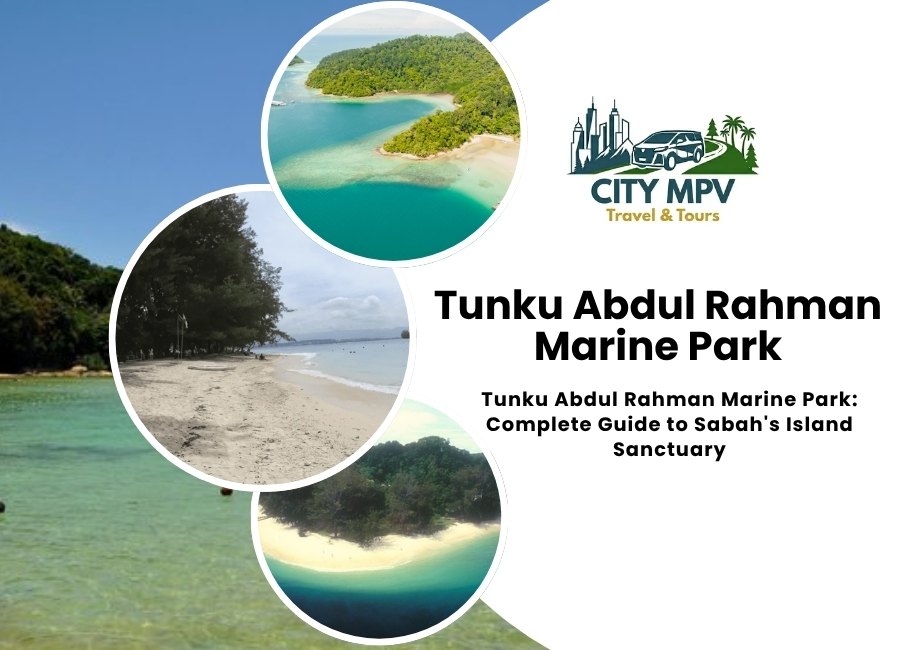
March and April continue in a similar vein. These months are excellent for visiting the islands of Tunku Abdul Rahman Marine Park (Manukan, Sapi, and Gaya islands), where crystal-clear water and healthy marine life make for outstanding snorkelling and diving. Mount Kinabalu climbers also favour this window, as clear dawn skies improve the summit experience considerably
If you are visiting Kota Kinabalu for the first time and want predictable weather above everything else, February to April is where to start.
Kota Kinabalu Shoulder Season: May and June
May carries a split personality. It falls toward the wetter end of the calendar, but it also brings the Kaamatan Harvest Festival, which fills Kota Kinabalu and the nearby area of Penampang with cultural performances, traditional games, food stalls, and the Unduk Ngadau beauty pageant.

The main celebration takes place on the 30th and 31st of May at the Kadazandusun Cultural Association grounds in Penampang, where visitors can experience the Sugandoi singing competition, the Magavau ritual ceremony led by traditional Bobolian priestesses, and the Sumazau dance.
If you want to understand Sabah beyond its beaches, May is arguably the most rewarding month to visit. Just book accommodation early; hotels near the KDCA fill up fast in the lead-up to the grand finale.
June tends to offer lower prices and thinner crowds compared to the peak months of July and August, while still delivering reasonable outdoor conditions. It is a good month for travellers who want a calmer pace without the heavy rains of late in the year.
Peak Time to Visit Kota Kinabalu: July and August
July and August sit firmly in the high season. As more visitors arrive, the atmosphere in the city is livelier, and demand for accommodation rises. Prices for hotels, flights, and car rentals tend to be at their highest during these months.
[Ref: Where And When]
The weather is warm, largely dry, and well-suited for outdoor activities. August in particular coincides with local school holidays, which makes Kota Kinabalu a popular destination for families from both Malaysia and the broader region.
Island hopping Kota Kinabalu, catamaran sailing, and snorkelling tours all run well during this period. If you are planning any activity on the water, July and August give you reliable sea conditions. The trade-off is cost, so book everything in advance if you are travelling during this window.
September: The In-Between Month
September offers a quieter version of the peak season experience. Once the school holiday rush ends, crowds thin out. Rainfall edges upward toward the wetter months, but dry windows still exist and can be seized for outdoor plans. It remains a workable month for travellers who prefer flexibility over guaranteed sunshine.
Prices begin to ease off from the July–August highs, and popular spots like Tunku Abdul Rahman Marine Park are noticeably less crowded. A rain jacket and a backup plan for outdoor activities are worth carrying.
The Wet Season in KK: October to January
October is when Kota Kinabalu’s rainfall peaks. The northeast monsoon hits with longer rainy spells, the marine park can turn choppy, and hotel prices drop noticeably. The city itself, however, keeps delivering, and the food scene, markets, & cultural sites remain fully enjoyable.
November and December see the heaviest rainfall of the year. Outdoor activities like Mari Mari Cultural Village Tour OR sightseeing tours may be cancelled, and remote roads can be affected. That said, rain in Kota Kinabalu typically falls in heavy afternoon bursts rather than all-day downpours, so mornings are often still clear and usable.
The wet season suits budget travellers and anyone who does not mind working around the weather. Lower room rates, fewer crowds, and a more local rhythm to daily life are real advantages during this period..

January can still be wet, although rainfall generally begins to ease as the year moves toward February and March.
What is the Best Time to Visit Kota Kinabalu?
For beach and island activities:
February to April offer the calmest seas and clearest water for snorkelling around Tunku Abdul Rahman Marine Park.
For climbing Mount Kinabalu:
March and April are the most reliable and best time to climb mount Kinabalu. Clear skies at the summit are not guaranteed, but the odds are noticeably better than during the wetter half of the year.
For cultural experiences:
May is unmatched. The Kaamatan Harvest Festival brings Sabah’s Kadazandusun heritage into the open in a way that no museum visit can replicate.
For budget travellers:
February, March, April, May, June, October, and November generally offer the most attractive pricing across accommodation, flights, and car rental. May combines low cost with high cultural reward.
For families:
June to August aligns with school holidays and delivers stable weather. Manukan Island, Lok Kawi Wildlife Park, and the Poring Hot Springs all work well with children in tow.
Before You Go:
Kota Kinabalu International Airport (BKI) connects directly to Kuala Lumpur, Singapore, and several regional hubs, making it straightforward to reach regardless of season.
During the dry season, pack lightweight moisture-wicking clothing, SPF 50 or higher sunscreen, a wide-brim hat, and reef-safe sunscreen if you plan to snorkel. Basic insect repellent and rehydration sachets are useful in any month. The local currency is the Malaysian Ringgit. Cash is still preferred at markets, food stalls, and smaller island operators.
Plan Your Kota Kinabalu Trip with the Right Operator
Knowing the best time to visit is only half the equation, but having a reliable local tour operator who knows the islands, the weather patterns, and the best routes makes a real difference on the ground. City MPV Travel and Tours, based in Kota Kinabalu, runs island hopping, snorkelling, and Golf tours, and private transfers across Sabah, making them a solid option to have in your itinerary regardless of which season you choose to visit.