

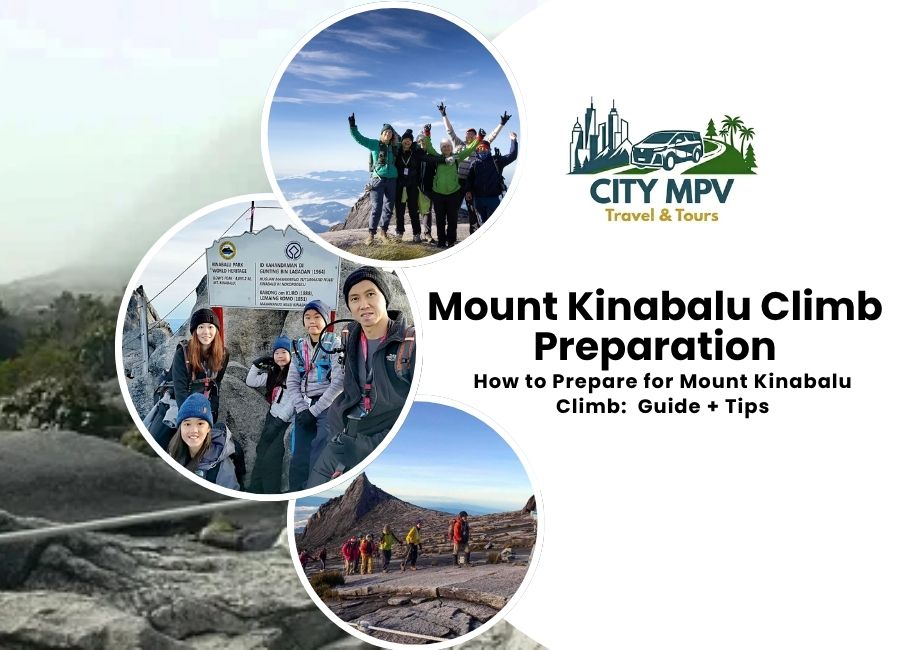
Climbing Mount Kinabalu does not demand a mountaineering background or any technical rope skills. What it demands is a body that can sustain hours of repetitive stair like effort, climb over 2,000 metres of elevation, and then handle an equally punishing descent the next day. The climbers who struggle most on this mountain are rarely unfit in general terms. They simply prepared for the wrong kind of fitness.
This guide lays out a structured timeline for preparing for a Mount Kinabalu climb difficulty, built around the specific physical demands of the trail rather than generic gym advice, so you arrive at Timpohon Gate with your body already familiar with what the next two days will ask of it.
Understanding What the Mountain Actually Demands
Before building a training plan, it helps to know exactly what you are training for. The standard route to Low’s Peak covers close to 8.7 kilometres one way, almost entirely made up of steps, root systems, and steep switchbacks, gaining over 2,000 metres in elevation across a single long climbing day followed by a pre-dawn summit push. Knowing the Best time to climb Mount Kinabalu can also help you prepare for the weather and trail conditions you are likely to encounter.
Stop scrolling and start traveling! City MPV Travel and Tours makes it easy to turn this into your next unforgettable trip. Seats fill fast, so grab yours today.
Book Your TourThere is no scrambling, no exposed rock climbing, and no rope work required on the main trail. The challenge is almost entirely cardiovascular endurance combined with muscular stamina in the legs, particularly on the way down, where thousands of descending steps place sustained load on the knees and thighs long after most people expect to be tired.
Training for Kinabalu is therefore less about strength in the traditional sense and more about conditioning your body for hours of continuous, repetitive movement at altitude.
Six Weeks Out: Building Your Base
If you have roughly six weeks before your climb date, start with general cardiovascular conditioning three to four times a week. Brisk walking, jogging, swimming, or cycling sessions of thirty to forty five minutes each build the aerobic base that carries you through a full day on the trail without your heart rate spiking constantly on every incline.
This is also the point to introduce stair specific training if you have access to it. A stadium, a tall building stairwell, or a steep hiking trail near you closely mimics the repetitive step climbing that defines most of the Mount Kinabalu climbing route. Even fifteen to twenty minutes of continuous stair climbing two or three times a week during this phase pays off noticeably later.
Four Weeks Out: Adding Leg Strength and Load
With around four weeks remaining, shift some sessions toward leg specific strength work. Bodyweight squats, walking lunges, and step ups target the exact muscle groups that absorb the impact of a long descent. Aim for two focused strength sessions a week alongside your ongoing cardio work rather than replacing it.
This is also a good stage to start training with a loaded daypack, even if it is lighter than what you will actually carry on the mountain. Walking or hiking with five to eight kilograms on your back for an hour or more teaches your body what sustained weight bearing effort feels like, which is meaningfully different from the same walk done empty handed.
Two Weeks Out: Simulating the Real Thing
In the final two weeks, prioritise at least one longer session that mimics the actual climb as closely as your local terrain allows. A hilly trail, a long staircase circuit, or any hike with sustained elevation gain done at a steady, unhurried pace teaches your body the pacing that works on Kinabalu itself, where climbers who move too fast early tend to run out of energy before reaching Panalaban base camp.
This is also when you should finalise your footwear. Wear the exact boots or shoes you plan to climb in on at least two or three real outings before your trip. New footwear straight out of the box, even good quality footwear, is one of the most common causes of blisters and lost toenails on this particular mountain.
Begin easing off high intensity training in the final week before travel. The goal by this point is arriving rested rather than fatigued, since your body will be doing enough new work on the mountain itself.
Preparing for Altitude
Most climbers arrive in Kota Kinabalu from sea level and head toward the mountain within a day or two, which gives the body very little time to adjust before the climb begins. A short buffer in the city beforehand, even just a day of rest, staying well hydrated, and avoiding heavy alcohol in the days leading up to your climb, measurably reduces the chances of altitude related headaches, nausea, or excessive fatigue higher up the mountain.
Sleep quality in the nights before your climb matters more than people expect too. Altitude and unfamiliar sleeping conditions at Panalaban already disrupt rest on the mountain itself, so arriving well rested rather than sleep deprived from travel gives your body a better starting position.
Medical Readiness
Anyone managing a heart condition, high blood pressure, asthma, or a significant joint issue should speak with a doctor before committing to a climb date, not as a formality but because altitude and sustained exertion genuinely interact with these conditions. This applies regardless of age, though it becomes a more relevant conversation for climbers in their sixties and beyond, many of whom summit successfully every season with the right preparation and medical clearance.
Pack a small personal supply of any regular medication, along with basic pain relief and blister care, since pharmacy access disappears entirely once you leave Kinabalu Park headquarters.
Final Days Before Your Climb
In the last few days before departure, focus shifts from training to logistics. Confirm your permit and guide arrangements, pack your daypack and test its weight fully loaded, and do a final check that your footwear, headlamp, and layered clothing are all ready to go. If you have extra time in the area, you can also explore some of the Best Day Trips from Kota Kinabalu before your climb.
Eat normally rather than drastically changing your diet right before the climb, and stay hydrated in the days leading in, particularly if you have been travelling by plane, since flight dehydration compounds the effects of altitude once you start climbing.
A calm, well rested arrival in Kota Kinabalu the day or two before your climb consistently makes more difference than any last minute training push in the final week.
Arranging Your Climb from Kota Kinabalu
Preparation covers your body, but the climb itself also depends on permits, a licensed mountain guide, transport to and from Kinabalu Park, and an overnight booking at Panalaban, all of which need to be locked in well ahead of your dates, especially during the busier dry season months. City MPV Travel and Tours arranges these pieces as a single guided climbing package departing from Kota Kinabalu, handling the permit and logistics side so your training and preparation efforts translate directly into a smoother climb. Current packages and departure dates are listed on their Mount Kinabalu climbing page.
Mount Kinabalu Climb Preparation: FAQs
Where is Mount Kinabalu located?
Mount Kinabalu is located in Sabah, Malaysian Borneo, within Kinabalu Park, a UNESCO World Heritage Site. The mountain is approximately 90 kilometres from Kota Kinabalu and is most commonly accessed through Kinabalu Park headquarters before starting the climb at Timpohon Gate.
Who was the first person to climb Mount Kinabalu?
The first recorded successful climber of Mount Kinabalu was Sir Hugh Low in 1851, accompanied by local guides. Low reached the mountain’s summit area during his expedition, and the highest peak, now known as Low’s Peak, was later named after him.
How difficult is it to climb Mount Kinabalu?
Mount Kinabalu is physically demanding but does not require technical mountaineering skills. The climb involves long periods of steep uphill walking, thousands of steps, and significant elevation gain. Good cardiovascular fitness, strong legs, proper pacing, and preparation for the descent are important for completing the climb comfortably.
Stop scrolling and start traveling! City MPV Travel and Tours makes it easy to turn this into your next unforgettable trip. Seats fill fast, so grab yours today.
Book Your Tour