

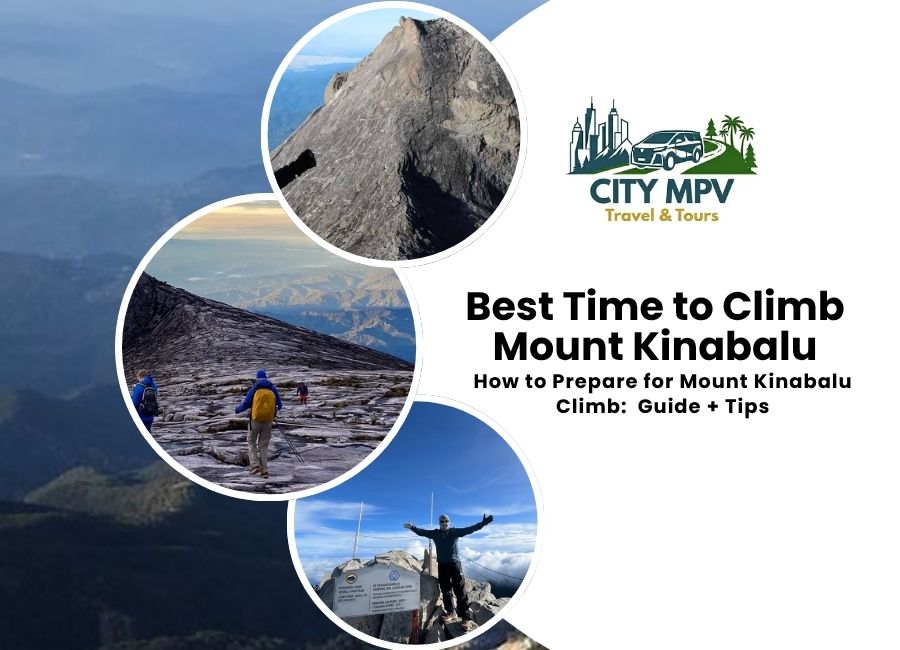
Mount Kinabalu rises to 4,095 metres above sea level in Kinabalu Park, Sabah, and is the highest peak in Southeast Asia outside the Himalayan range. It draws hikers from all over the world, and the good news is that most of them are everyday travellers rather than trained mountaineers. With the right timing and preparation, this is a climb almost anyone in reasonable health can complete.
I will walk you through when to go on a Mount Kinabalu climbing tour, who can climb, whether you need a group, how to get your body ready, and exactly what to pack, so you can plan your trip with clear expectations from day one.
When Is the Best Time to Climb Mount Kinabalu
Sabah sits in a tropical rainforest zone, which means rain can technically fall at any point in the year. That said, the months between March and September tend to bring drier trails, better visibility, and a lower chance of the summit push being called off due to weather.
Within that window, February through April usually stands out as the sweet spot. Skies tend to stay clearer for longer stretches, and the granite section near the summit is less likely to be slick. The trade off is that these months are also the most popular with climbers, so permits and beds at the mountain lodge get booked out fast. If you’re set on this period, lock in your dates several months ahead.
Stop scrolling and start traveling! City MPV Travel and Tours makes it easy to turn this into your next unforgettable trip. Seats fill fast, so grab yours today.
Book Your TourThe later part of the year works differently. From around October through January, Sabah moves into a wetter stretch, with November typically being the rainiest. Fog rolls in more often, trails get muddier, and there’s a slightly higher chance the final summit stretch gets closed for safety on a given day. None of this rules the season out though. Climbers who go during these months often find quieter trails, more relaxed permit availability, and a genuinely different atmosphere on the mountain. It just calls for extra flexibility in your itinerary and proper wet weather gear.
One thing worth understanding regardless of which month you pick is that Kinabalu essentially builds its own weather system. It’s tall enough that warm air rises and condenses against the exposed granite face, so a sunny morning can shift into thick cloud cover by early afternoon. This isn’t a sign anything has gone wrong, it’s just how the mountain behaves, and it’s exactly why guides push climbers to start the ascent early rather than take a leisurely pace.
Temperature swings at Kota Kinabalu are just as important as rainfall when picking your gear. Down at Kinabalu Park headquarters, daytime conditions feel warm and tropical. By the time you reach Panalaban base camp, the air has cooled considerably. At the summit itself, before sunrise, temperatures can sit right around freezing. You’re essentially moving through several climate zones in under 24 hours, so whatever month you choose, pack as though you’ll experience all of them.
Minimum Age to Climb Mount Kinabalu
There isn’t a single fixed minimum age printed on every permit, but the guide and safety system built around the climb creates practical age boundaries you should know before booking.
Climbers under 16 are treated differently from adults in the guide assignment system. A mountain guide looking after young climbers is limited to a small group of children only, and won’t simultaneously be responsible for adult climbers in the same party. This means a mixed group of adults and a child under 16 will usually need two separate guides booked for the trip, one for each group.
For everyone aged 16 and above, guides can take a larger group, generally up to five adult climbers each.
On the lower end of the age spectrum, most operators suggest waiting until a child is at least around 10 years old before attempting the full climb. This isn’t a legal cutoff so much as a practical one. The trail involves thousands of steps and a long, sustained physical effort that younger children often struggle to sustain safely.
On the upper end, there’s no strict ceiling either. Climbers well into their seventies and even eighties have reached the summit successfully, provided they’re in good general health and have cleared any relevant medication or condition with a doctor beforehand.
If you’re travelling as a family or bringing children along, flag their ages when you book. It affects how guides are assigned and ensures your permits are arranged correctly from the outset.
Can You Climb Mount Kinabalu Solo
You can absolutely climb as an individual traveller, but there’s an important distinction to understand. Nobody is allowed onto the mountain without an assigned, licensed mountain guide. This applies no matter how experienced a hiker you are or how many other mountains you’ve summited elsewhere.
A few things solo climbers should keep in mind. Guide fees are sometimes calculated per group rather than per person, so climbing alone can occasionally cost a bit more per head than splitting the fee across a group of five. Some tour operators get around this by pairing solo travellers together on the same climb date, which also tends to make for good company at Laban Rata the night before the summit push. It’s worth asking your operator directly whether this pairing option is available when you book.
Handling the logistics through a licensed operator tends to make solo climbing far simpler, since they manage the permit, guide assignment, and overnight accommodation as one coordinated package rather than separate bookings you’d have to chase individually.
How to Prepare for a Mount Kinabalu Climb
Mount Kinabalu is dfficult to climb, but technical climbing skill isn’t required for Kinabalu. There are no ropes to master or exposed scrambles to navigate on your own. What the mountain does demand is stamina, since you’re covering roughly 8.7 kilometres of steps and switchbacks while gaining over 2,000 metres in elevation, most of it within a single day.
A few weeks of focused preparation makes a noticeable difference to how the climb feels.
Build up your cardio base. Regular hiking, brisk walking, jogging, or cycling in the month or two before your trip conditions your heart and lungs for sustained effort. If you have access to a staircase or stadium steps, repeated climbing sessions closely mimic what the trail will demand.
Strengthen your legs specifically. The descent is often what catches first timers off guard, since thousands of downward steps put real strain on the knees and thighs. Squats, lunges, and step ups in the weeks leading up to your climb help your legs handle both directions comfortably.
Break your footwear in properly. Wear your hiking shoes on several training walks beforehand so you understand exactly how they fit. New boots straight out of the box are one of the most common causes of blisters and discomfort on the trail.
Give yourself time to acclimatise. Most Mount Kinabalu climbing routes arrive from sea level with zero altitude exposure. Spending a day or two resting in Kota Kinabalu before the climb, staying well hydrated, and avoiding heavy alcohol beforehand all help your body adjust.
Check in with a doctor if needed. Anyone managing a heart, lung, or joint condition, or climbing later in life, should get a quick medical opinion before committing to the trip, simply because of the altitude and physical demand involved.
None of this means you need elite fitness. Everyday travellers complete this climb successfully all the time. Preparation just makes the experience smoother and lowers your chances of altitude sickness or excessive fatigue slowing you down.
Tips for Climbing Mount Kinabalu as a Beginner
If this is your first serious multi day hike, these practical habits go a long way. Pace yourself from the very first step. A common beginner mistake is moving too quickly on day one and running out of energy well before reaching base camp. A slow, steady rhythm consistently beats short bursts followed by long recovery stops. Start the final summit push early and keep moving once you do. Guides typically begin this stretch between 2:30 and 3am specifically because conditions on the upper mountain shift fast, and reaching the top before the clouds roll in gives you the best shot at a clear sunrise. Read all important tips to climb mount Kinabalu.
Trust your guide’s judgement. They read the mountain’s weather and your own condition far better than any guidebook can, so if they suggest slowing down, resting, or turning back, it’s worth taking seriously.
Dress in layers you can adjust. The temperature difference between the base of the trail and Panalaban camp is significant, and layering lets you respond to that shift without overheating or getting caught cold. Drink water steadily but don’t overload your pack with it. Refill points exist along the way, so there’s no need to carry more than you’ll actually use on the ascent.Eat even if your appetite dips. Meals are typically included in climb packages, and the calories matter more than they might seem to at altitude, even on days when eating feels like the last thing you want to do.
Remember that reaching the summit isn’t the only measure of success. Plenty of climbers choose to stop at Panalaban base camp rather than push on, and the experience up to that point is still genuinely rewarding on its own.
What to Bring for a Mount Kinabalu Climb
Packing light matters here more than on most treks, since you’ll likely be carrying your own daypack unless you arrange a porter. Most experienced guides suggest keeping your climbing pack under 10 kilograms.
Clothing
Lightweight, breathable shirts and trekking pants work well for the lower half of the trail. Add a warm fleece or insulated jacket for the colder stretch near Panalaban and the summit. A waterproof, windproof outer layer is essential since rain can appear with little warning regardless of season. Pack a beanie or head covering, gloves, and a full change of dry clothes plus fresh socks for sleeping overnight at base camp.
Footwear
Well worn in hiking shoes or boots with solid ankle support and good grip on wet rock. Bring thicker socks to reduce friction and blister risk over the long distance.
Essentials
A head torch with spare batteries, since the summit push happens entirely in darkness. A refillable water bottle, with around 1 to 1.5 litres usually enough to get you through the first day given the refill points along the trail. High energy snacks like nuts, dried fruit, or energy bars for the final stretch. A small personal first aid kit covering blister care, basic pain relief, and any medication you take regularly. Trekking poles are also worth considering, since they noticeably ease the strain on your knees during the descent and can usually be rented locally.
Practical items
A rain cover for your backpack or a fully waterproof bag, a lightweight poncho, a small towel, tissue paper, and basic toiletries. Don’t forget your passport or Malaysian IC, since it’s required to register at Kinabalu Park headquarters and receive your climber ID tag before setting off.
Anything you won’t need on the trail itself can be left in storage at park headquarters for a small fee, so there’s no need to haul your full luggage up the mountain.
Stop scrolling and start traveling! City MPV Travel and Tours makes it easy to turn this into your next unforgettable trip. Seats fill fast, so grab yours today.
Book Your TourPlanning Your Kinabalu Climb from Kota Kinabalu
Coordinating transport, permits, a licensed guide, and an overnight stay at Panalaban all takes some planning, particularly if you’re targeting the busier dry season months. Rather than piecing these bookings together separately, many first-time Mount Kinabalu climbers find it far easier to arrange transport and the full climb as one package.
City MPV Travel and Tours organises private trips from Kota Kinabalu to Kinabalu Park along with guided Mount Kinabalu climbing packages, taking care of the permit process and logistics so your focus stays on the climb itself. You can check current packages and departure details on their Mount Kinabalu climbing page.