
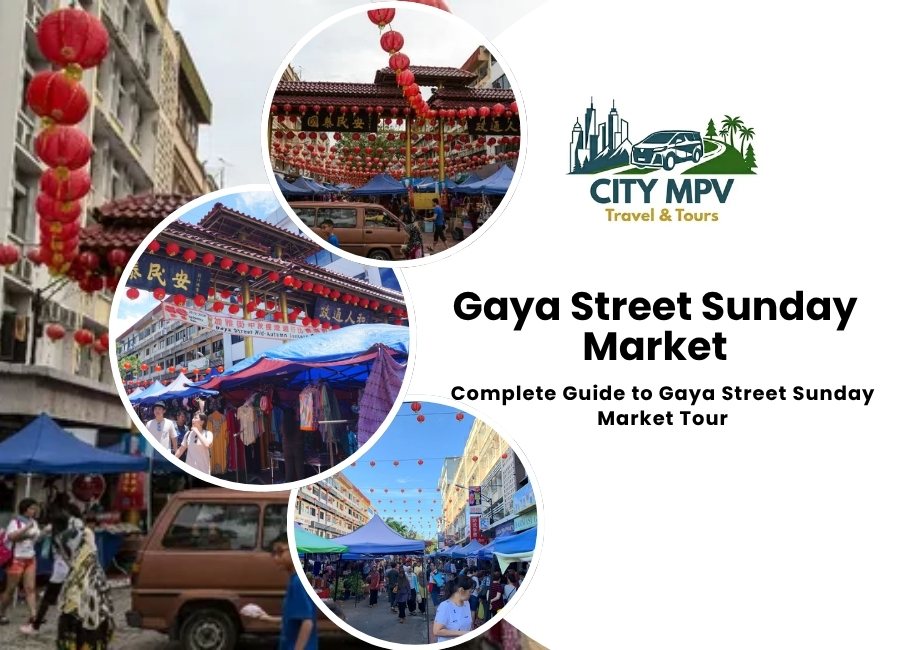
Every Sunday morning, one of Kota Kinabalu’s busiest roads goes quiet for cars and loud for everyone else.
Gaya Street closes to traffic and fills with stalls from one end to the other. Locals call it the tamu, an old Malay word for a traditional open market, and for many Sabahan families, it is simply how the weekend begins.
If you are visiting Kota Kinabalu on a Sunday, this market deserves a spot on your itinerary. Here is what makes it special, what to expect, and how to enjoy it like a local.
A Market With Roots in Old Jesselton
Gaya Street sits in the heart of the city, in an area that has served as Kota Kinabalu’s commercial centre for more than a hundred years.
Long before the city carried its current name, this stretch of road was part of Jesselton, the British-era settlement that grew into modern Kota Kinabalu. The Sunday tamu tradition traces back to that period, when farmers, fishermen, and traders from across the region would gather weekly to sell what they had grown, caught or made.
Stop scrolling and start traveling! City MPV Travel and Tours makes it easy to turn this into your next unforgettable trip. Seats fill fast, so grab yours today.
Book Your TourThat history still shapes the market today. It never became a purely tourist attraction. Locals still come here every week for groceries, plants, and household items, which is exactly what gives the experience its authentic feel.
When does the Market Run?
The Gaya Street Sunday Market opens as early as 6 in the morning and winds down by around 1 in the afternoon.
Stalls are usually fully set up between 7:30 and 8 am, and the atmosphere stays comfortable until around 10 am. After that, the tropical heat builds quickly, and the crowds thicken along with it.
For the best experience, arrive early. You get first pick of fresh produce and handmade goods, cooler walking weather, and a quieter stroll before the peak crowd arrives.
What You Will Find Along the Stalls
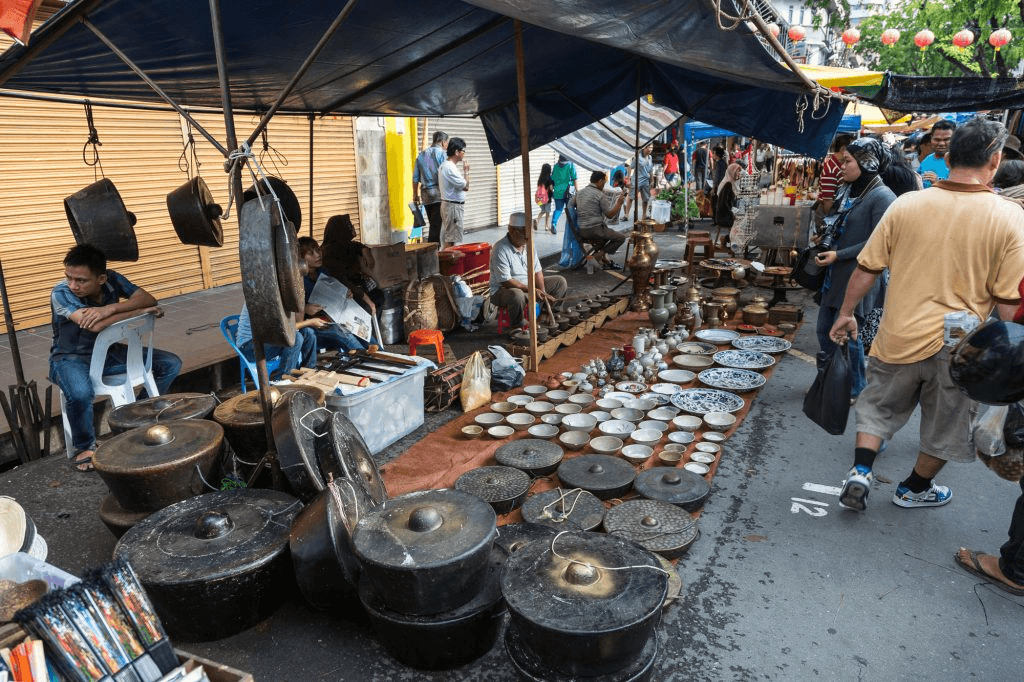
Part of the charm of Gaya Street is how much variety fits into one street.
Fresh fruit, vegetables, and flowers sit alongside stalls selling Sabahan handicrafts, woven baskets, batik sarongs, and Bornean beadwork. Further along, vendors offer dried seafood, local snacks, herbal remedies, and even small pets.
For visitors hoping to bring something home, look out for handmade soaps in local scents like kaffir lime or mangosteen, dried local snacks, small wooden carvings, and souvenir keychains. Prices are generally low, and many items are still handmade by village sellers rather than mass-produced.
Not everything is aimed at tourists. Live plants, fresh catch, and daily produce make up a large part of the market, since it primarily serves the weekly shopping needs of local households. That mix of buyers and sellers is part of what makes Gaya Street feel like a real community market rather than a staged attraction.
Food, Bargaining, and Practical Tips
Food is easy to find nearby, from Sarawak laksa stalls to small kopitiams tucked just behind the tents.
Bargaining is common practice here, though many stalls now display fixed prices. A friendly approach usually works better than a hard negotiation, especially if you are buying more than one item from the same seller.
Cash remains the preferred payment method for most vendors, although a growing number now accept e-wallets such as Touch ‘n Go. It helps to carry small notes, since change can be limited during the busiest hours.
Wearing light clothing and comfortable shoes makes the walk far more pleasant, and a bottle of water is worth carrying given how warm the street gets by mid-morning.
Getting There and Nearby Attractions
Gaya Street sits within easy walking distance of Wisma Merdeka, KK Plaza and the Kota Kinabalu waterfront, so it pairs naturally with a broader morning of sightseeing. The Atkinson Clock Tower is also close by.
Public buses run close to the area, and ride-hailing services are a convenient option if you are staying further out. Parking nearby can be limited on market mornings, so many visitors choose not to drive at all.
If you enjoy the atmosphere on Sunday, it is worth knowing that the same stretch hosts a different kind of market on Friday and Saturday nights, when the Api-Api Night Market takes over with street food and evening entertainment. For daytime handicraft shopping, the nearby Filipino handicraft market is another good stop to continue the morning.
Making the Most of Your Visit
Gaya Street Sunday Market rewards visitors who slow down rather than rush through.
Walk the full stretch at least once before buying anything, since similar items often appear at different prices further along. Keep your camera ready, since the mix of produce, crafts, and daily local life makes for some of the most genuine street photography in the city.
For travellers who want this experience built into a wider morning of Kota Kinabalu sightseeing, City MPV Travel and Tours includes stops at the city’s heritage landmarks and local markets as part of its half-day Kota Kinabalu city tour, pairing the Sunday market atmosphere with guided visits to the city’s most iconic sights. You can check the itinerary and book a spot through the Kota Kinabalu City, Heritage Tour and Lunch page.
Stop scrolling and start traveling! City MPV Travel and Tours makes it easy to turn this into your next unforgettable trip. Seats fill fast, so grab yours today.
Book Your Tour