


Kota Kinabalu sits right at the edge of the South China Sea, with rainforest on one side and coral islands on the other. It is an easy city to fall in love with, but a little planning goes a long way before you land. Here is what actually matters when you are getting ready for best day trip from Kota Kinabalu.
Getting to Kota Kinabalu
Almost every visitor arrives through Kota Kinabalu International Airport, usually shortened to KKIA. It sits about twenty minutes from the city center, so you are never far from your hotel once you land. Malaysia Airlines and AirAsia run frequent domestic flights from Kuala Lumpur, and there are also direct international connections from cities like Singapore, Hong Kong, Manila, and several points in South Korea and Japan. If you are combining Sabah with other parts of Malaysia, flying into KKIA and out of Kuala Lumpur, or the other way around, is a common and efficient route.
Stop scrolling and start traveling! City MPV Travel and Tours makes it easy to turn this into your next unforgettable trip. Seats fill fast, so grab yours today.
Book Your TourEntry Requirements and the Malaysia Digital Arrival Card
Most foreign visitors now need to complete the Malaysia Digital Arrival Card, known as the MDAC, before arrival. This is a free online form submitted through the official immigration portal, and it needs to be done within three days of your flight landing. It is not a visa, so if your nationality requires one, that still needs to be arranged separately in advance. A few nationalities are exempt, including Singapore citizens and some regional pass holders, but the majority of travelers will need to file it. Keep a digital or printed copy handy, since immigration checks it alongside your passport, and make sure your passport has at least six months of validity left before you fly.
One thing worth flagging clearly, only use the official government portal for this. Fake websites charging fees for a form that is genuinely free have caused problems for travelers in the past, so bookmark the real site and avoid anything that looks like a paid shortcut.
Choosing when to go
Kota Kinabalu stays warm year round thanks to its tropical climate, so there is no single wrong time to visit. That said, the drier stretch generally falls between March and September, which tends to suit island hopping and outdoor plans better than the wetter months. If timing is the main thing you are trying to nail down, it is worth digging deeper into seasonal patterns, festivals, and monthly rainfall separately, since that decision alone can shape the rest of your itinerary.
Where to stay
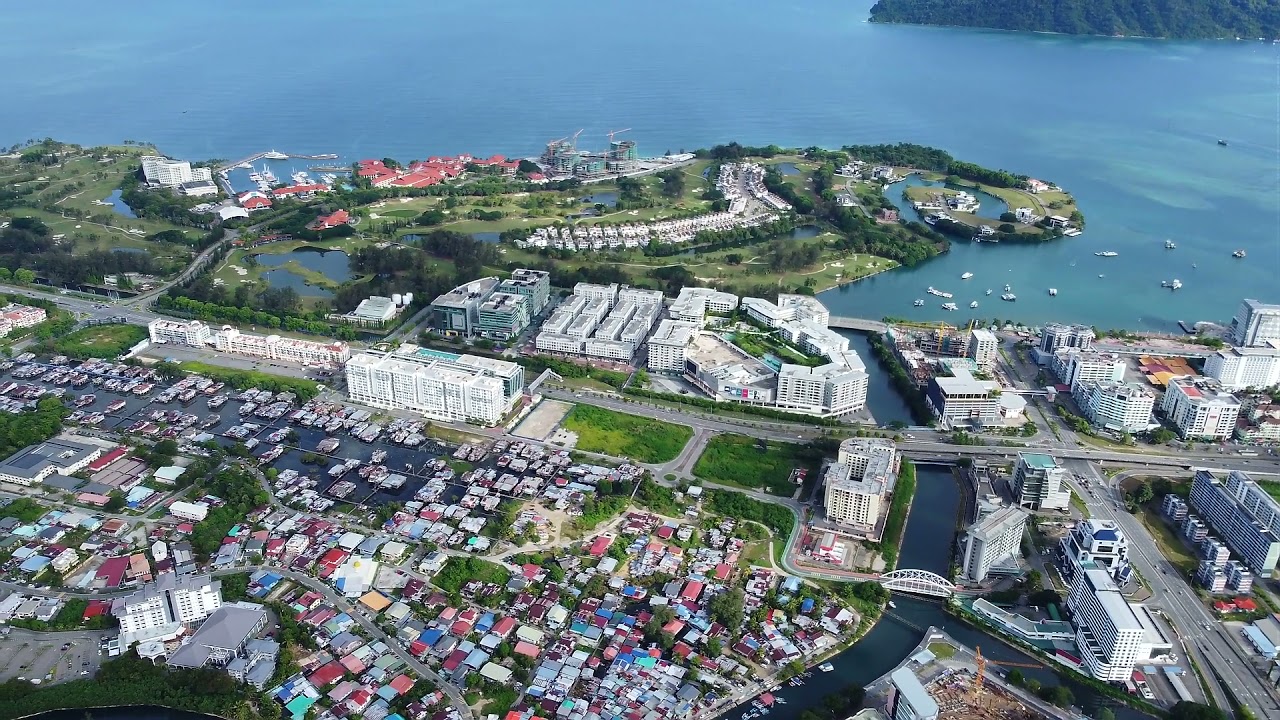
Where you base yourself changes the whole rhythm of your trip. The Waterfront area puts you close to sunset views, seafood restaurants, and the jetty for island tours, which makes it a strong pick if beach days are your priority. Staying closer to Gaya Street or the central business district suits travelers who want to be near the Sunday market, museums, and easy walking access to shops and cafes. Tanjung Aru, a little further out, is quieter and popular with families or anyone who wants a resort feel without leaving the city entirely. None of these choices are far from each other, so it comes down to what kind of mornings you want, market and city noise, or ocean breeze and slower pace.
Getting Around the City
Grab is the easiest way to move around Kota Kinabalu city, and most visitors rely on it heavily since it is affordable and avoids any language barrier. Metered taxis exist but are less consistent, so confirming the fare before you get in is a good habit. For day trips outside the city, such as Mount Kinabalu Park, Mari Mari Cultural Village, or the wildlife river cruises further inland, a private vehicle or an organized tour usually works out smoother than trying to coordinate public transport, since schedules can be limited and routes are not always straightforward for first time visitors.
Money and Currency
The Malaysian Ringgit is the only currency you will need, and while cards are widely accepted in malls, hotels, and larger restaurants, cash is still king at wet markets, hawker stalls, smaller island operators, and some local transport. ATMs are easy to find around the city center, so withdrawing Ringgit as needed is simpler than arriving with a large amount of foreign cash to exchange. Tipping is not expected the way it is in some countries, though rounding up for good service is always appreciated.
Staying Connected
A local SIM card or an eSIM set up before departure will save a lot of hassle. Coverage in the city and along the main tourist routes is generally strong, though it does thin out once you head deeper into rainforest areas or up toward the mountain trails. Picking up a SIM at the airport on arrival is quick and usually the most convenient option if you have not sorted an eSIM in advance.
What to Pack
Lightweight, breathable clothing covers most of what you need, since the climate stays warm and humid throughout the year. A light rain jacket is worth packing regardless of season, since tropical showers can appear without much warning. Reef safe sunscreen matters if island hopping is part of your plan, and a basic first aid kit with insect repellent and rehydration sachets is genuinely useful, especially if a Mount Kinabalu climb is on your list. Modest clothing is appreciated at cultural and religious sites, so having something to cover shoulders and knees is a small thing that goes a long way.
Respecting Local Culture
Sabah is home to a real mix of ethnic groups, including Kadazan-Dusun, Bajau, and Malay communities, alongside a wider Malaysian population. This diversity shows up in the food, the festivals, and the everyday rhythm of the city. A simple habit of asking before photographing people, removing shoes when entering someone’s home, and dressing modestly at mosques and cultural villages tends to be appreciated everywhere you go.
How long to stay
Three to five days is a comfortable window for a first visit, enough time for a day of island hopping, a cultural village visit, some time exploring the city center, and a slower day built around food and the waterfront. If Mount Kinabalu climbing is part of the plan, add at least two extra days, since the climb itself typically takes two days and one night, and permits need to be booked well ahead since slots fill up quickly during peak months.
Once flights and rough dates are settled, most of the planning work is really about sequencing, deciding which days go to the islands, which go to the mountains, and which stay flexible for food and wandering. This is usually the point where having a local operator on the ground makes a real difference. City MPV Travel and Tours, based in Kota Kinabalu, handles airport transfers, island hopping, and Mount Kinabalu climbing packages, which can take the coordination headache off your plate once the bigger decisions are made.
Stop scrolling and start traveling! City MPV Travel and Tours makes it easy to turn this into your next unforgettable trip. Seats fill fast, so grab yours today.
Book Your Tour