

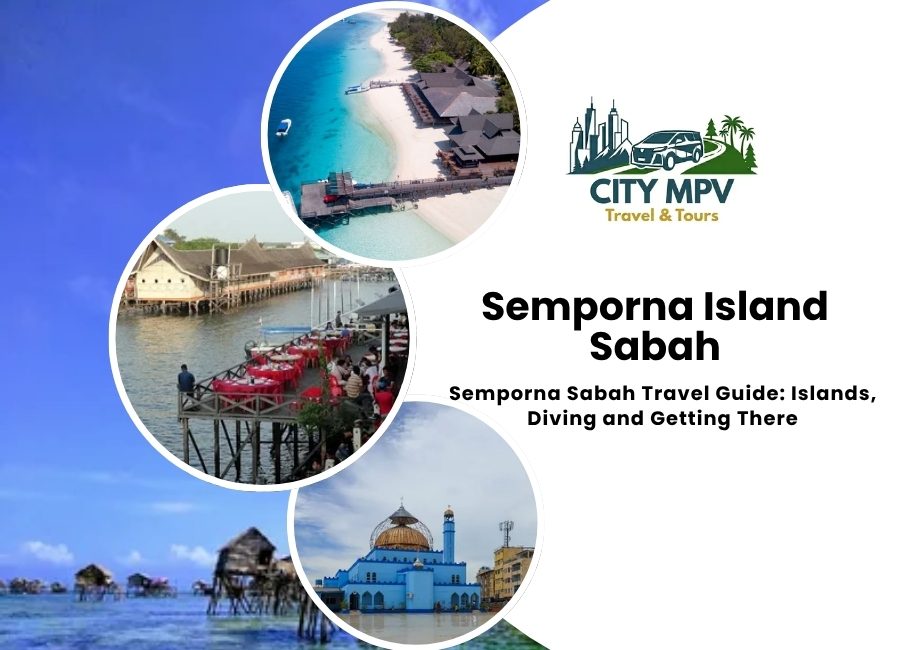
Semporna is a small town on the southeastern coast of Sabah, Malaysia. On its own, it doesn’t look like much. But it holds one of the most important addresses in the diving world.
This is the gateway to Sipadan Island, one of the most celebrated dive sites on the planet. It’s also the launch point for Mabul, Kapalai, and the string of islands that make up the Tun Sakaran Marine Park. If you’ve searched for Semporna Sabah, Sabah Semporna, or even typed it as Sempurna Sabah, chances are you’re planning a trip built around these waters.
In this guide, I will cover what Semporna actually is, how to reach it, which islands are worth your time, and what to know before you book anything.
Where Semporna Is and How to Get There
Semporna sits on the southeastern tip of Sabah, facing the Celebes Sea. It’s part of Malaysian Borneo, which puts it a fair distance from Kota Kinabalu, the state capital most travelers land in first.
The nearest airport is Tawau Airport, known by its code TWU. Tawau receives regular domestic flights, including direct connections from Kuala Lumpur and Kota Kinabalu. From there, Semporna town is roughly seventy-five to ninety minutes away by road, depending on traffic.
There’s no direct airport in Semporna itself, so Tawau is the route almost everyone takes. Some travel agencies and resorts arrange shared or private transfers straight from Tawau Airport to Semporna town or to the jetty, which saves you the hassle of arranging your own transport in an unfamiliar area.
Stop scrolling and start traveling! City MPV Travel and Tours makes it easy to turn this into your next unforgettable trip. Seats fill fast, so grab yours today.
Book Your TourWhy Semporna Matters: The Islands Around It
Semporna itself is not where you spend your days. It’s where your boat leaves from. The real reason this name shows up in every serious Sabah itinerary is the cluster of islands sitting just offshore.
Sipadan Island
Sipadan is the name that put Semporna on the map. It’s consistently ranked among the top dive sites in the world, known for its wall dives, resident turtle population, and the barracuda schools that circle just off the reef. Access is tightly controlled through a permit system, and only a limited number of divers are allowed on the island each day. If Sipadan is the centerpiece of your trip, you need to plan around this early, not as an afterthought.
Mabul Island
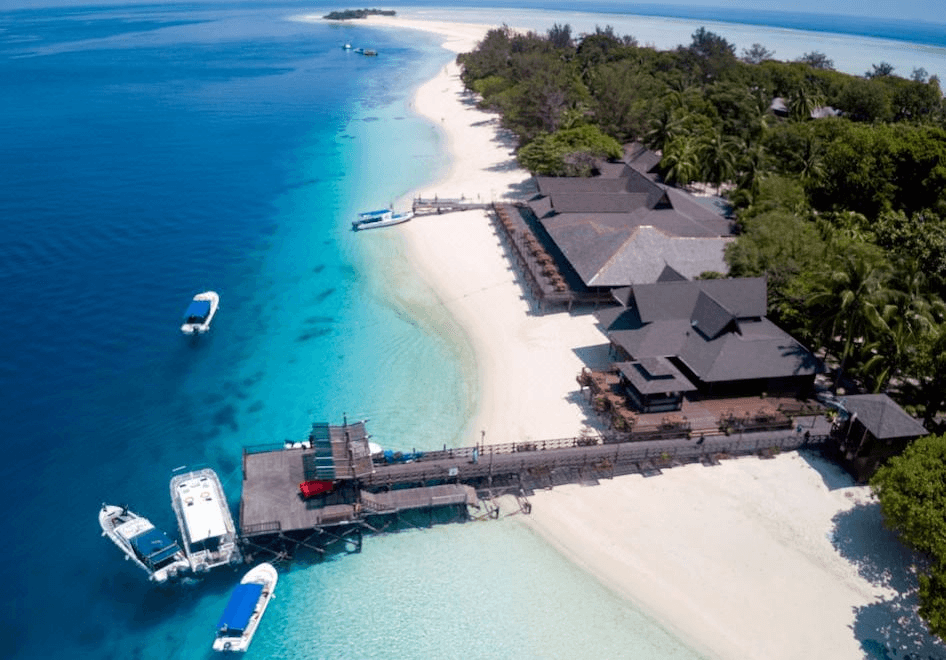
Mabul sits close to Sipadan and has become the default base for many divers who can’t secure a Sipadan permit on a given day. It’s a small island with palm trees, simple beaches, and a mix of resorts ranging from basic to comfortable. Mabul is also known for macro diving, meaning smaller, rarer marine life rather than big pelagic sightings.
Kapalai Island
Kapalai isn’t really an island in the traditional sense. It’s a sandbar built up with stilt bungalows, sitting between Sipadan and Mabul. The setting is calm and shallow, which makes it a favorite for snorkeling as much as diving. Manta rays and cuttlefish are frequently spotted in the surrounding waters.
Tun Sakaran Marine Park
This marine park covers eight islands at the mouth of Darvel Bay, managed by Sabah Parks. Bohey Dulang is the standout here, a dramatic volcanic island with a hike up to a viewpoint overlooking the lagoon below. Pulau Sibuan is smaller and quieter, with white sand and clear shallow reefs, and it’s also home to a small Bajau Laut community. If Sipadan feels too commercial or too hard to book, the Tun Sakaran islands offer a slower, less crowded alternative.
Semporna Town Itself
Semporna town is functional rather than scenic. It has hotels, dive shops, a wet seafood market, waterfront restaurants, and the jetty where most boats depart each morning. Many of the people living along the water here are Bajau Laut, sometimes called sea gypsies, a community with deep ties to this coastline long before it became a diving destination.
Most visitors treat the town as a place to sleep and organize logistics rather than somewhere to spend a full day. The islands are the destination. The town is the staging ground.
What is the Best Time to Visit Semporna
Semporna doesn’t have a monsoon season the way some parts of Malaysia do, so diving and island hopping are possible year-round. That said, the dry season between March and October tends to offer better visibility underwater.
June through September is peak season, which means more crowds, higher demand for Sipadan permits, and resorts booking out well in advance. If your trip depends on diving Sipadan specifically, book three to six months ahead for travel in this window.
Things to Know Before You Go
A few practical points make a real difference in how smooth your Semporna trip goes.
Sipadan requires an Advanced Open Water diving certification at minimum. Permits are limited and distributed through resorts, often by lottery during busy months, so don’t expect to walk up and book a spot the day before.
Boat rides between islands typically run around thirty to forty-five minutes, which is manageable even for those prone to seasickness. Bring a waterproof bag, reef-safe sunscreen, and comfortable footwear if Bohey Dulang’s hike is part of your plan.
Stop scrolling and start traveling! City MPV Travel and Tours makes it easy to turn this into your next unforgettable trip. Seats fill fast, so grab yours today.
Book Your TourTides matter too. Some of the smaller sandbars and shallow reefs are only fully visible at low tide, so timing affects what you’ll actually see on the day.
Semporna vs the Rest of Sabah
Semporna is often just one stop in a longer Sabah itinerary. Most international travelers land in Kota Kinabalu first, since it’s the state’s main gateway with the widest range of flight connections. From there, some continue overland or by air to places like Sandakan, Sepilok, or onward to Tawau for Semporna.
If your trip includes time in Kota Kinabalu before or after Semporna, it’s worth treating that leg with the same planning as the diving portion. Airport transfers, hotel logistics, and how you spend your KK days can either add friction or add value to the overall trip.
This is where City MPV Travel and Tours comes in for the Kota Kinabalu side of your Sabah journey. If your itinerary starts in KK before you fly out to Tawau for Semporna, a private MPV transfer takes care of the airport-to-hotel leg without the stress of arranging your own transport in an unfamiliar city.