

Sabah sits on the northern tip of Borneo, bordered by the South China Sea, the Sulu Sea, and the Celebes Sea. That positioning alone tells you something about its coastline.
With over 500 kilometres of shoreline and hundreds of islands scattered across three different seas, Sabah offers some of the most varied and unspoiled beach experiences in all of Southeast Asia.
Whether you are after world-class diving, quiet sunset stretches, or travelling from Kota Kinabalu, you will find it here. This guide covers the 10 best beaches in Sabah, with practical information to help you plan each visit.
1. Sipadan Island
Sipadan is the crown jewel of diving in Sabah and one of the most celebrated dive sites on the planet. The island sits off the coast of Semporna in the Celebes Sea, rising from an extinct underwater volcanic cone that drops 600 metres straight to the ocean floor.
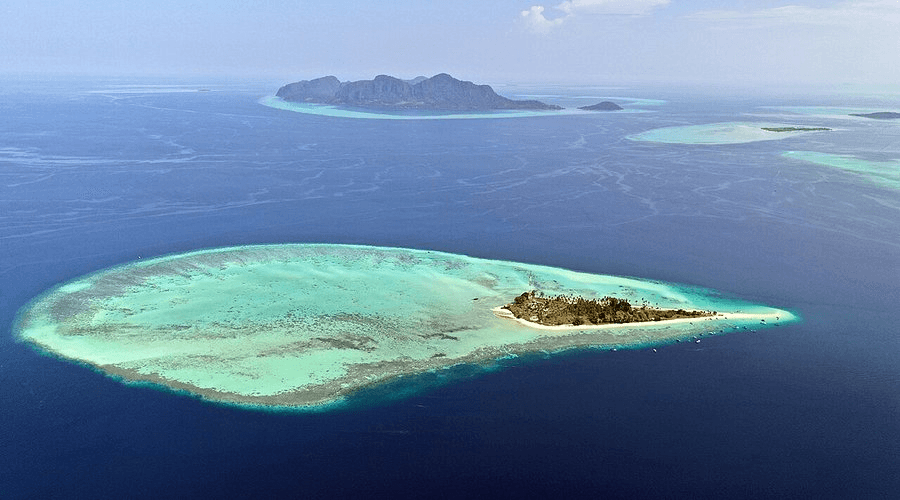
Jacques Cousteau famously called it an untouched piece of art, and it has held that reputation ever since. Above water, the island is a small forested strip fringed with white sand. Below the surface is where Sipadan becomes extraordinary.
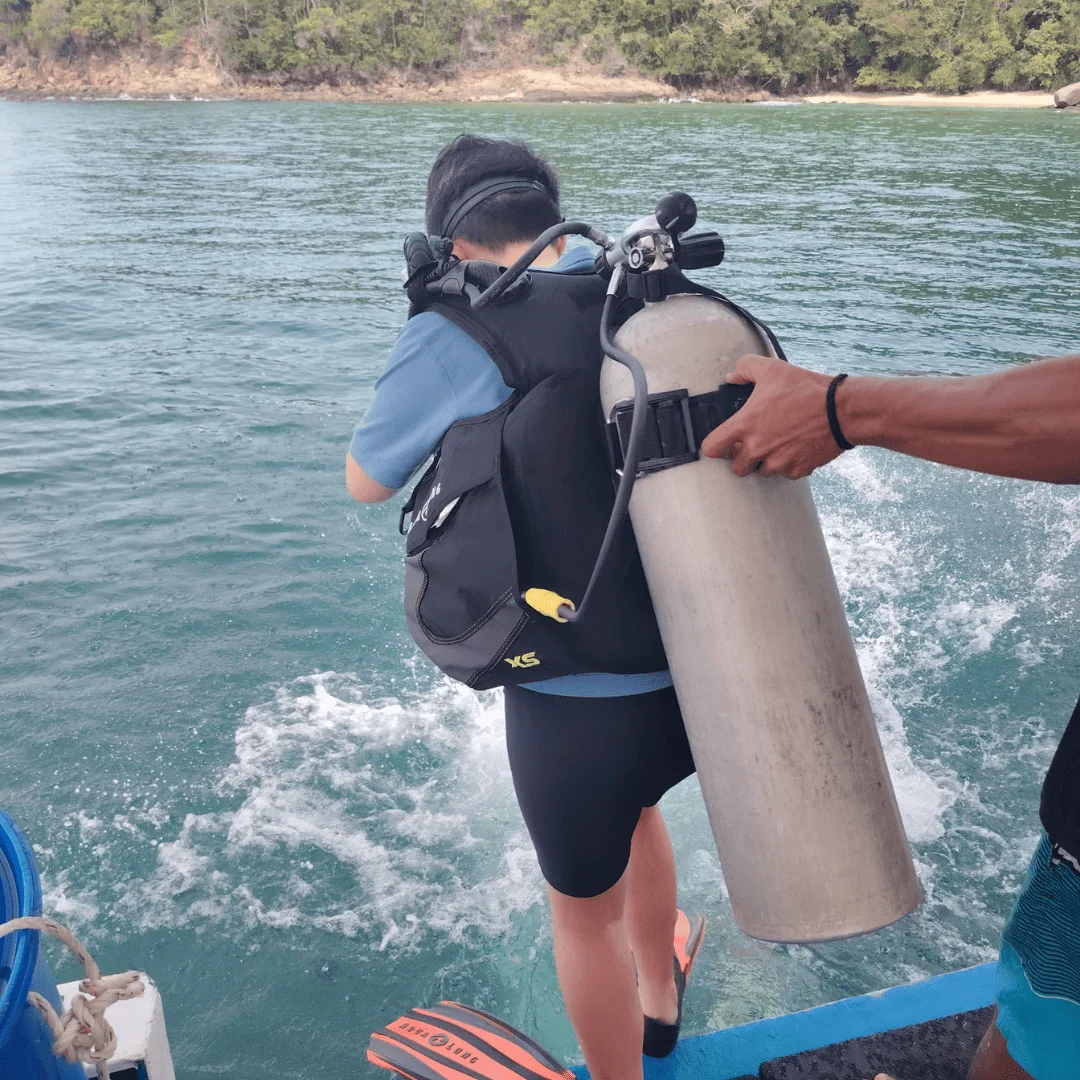
Divers encounter schools of barracuda at Barracuda Point, green and hawksbill turtles at nearly every dive site, bumphead parrotfish at dawn, grey reef sharks, and the occasional hammerhead. Because Sipadan is a protected marine park managed by Sabah Parks, overnight stays on the island are not permitted.
Visitors base themselves on nearby Mabul or Kapalai Island and take speedboat day trips.
Daily dive permits are strictly limited to 176 divers per day, so booking several months in advance through a licensed dive operator is essential, especially between March and August when demand peaks. The island closes every November for marine conservation.
Getting there: Fly into Tawau Airport, then drive 45 minutes to Semporna, followed by a 45 to 60-minute speedboat ride to the Semporna island cluster.
2. Manukan Island, Tunku Abdul Rahman Marine Park
For a beach day that requires no long drive or overnight planning, Manukan Island is the easiest answer in Sabah. Part of the Tunku Abdul Rahman Marine Park, a protected cluster of five islands just off the coast of Kota Kinabalu, Manukan is a 15 to 20-minute speedboat ride from Jesselton Point Ferry Terminal in the city centre.
The island is crescent-shaped, about 1.5 kilometres long, with clean white sand beaches and clear turquoise water on both sides. The eastern tip has the best beach and the best snorkelling.
Turtles, reef sharks, and colourful reef fish are commonly spotted right off the shore without needing to go far.
Activities on the island include snorkelling, kayaking, parasailing, beach volleyball, and jungle trekking along a well-marked trail to the island’s Sunset Point. Sutera Sanctuary Lodges operates the only resort-style accommodation on Manukan, making it the only island in the park where you can stay overnight in comfort.
Day-trippers will find changing rooms, toilets, and a beach restaurant on site.
3. Tanjung Aru Beach
Tanjung Aru is Sabah’s most accessible beach and one of the most well-known sunset spots in all of Malaysia.
Located just 6 kilometres from central Kota Kinabalu and about 10 minutes from the international airport, this 2.3-kilometre stretch of shoreline is divided into three sections, with First Beach drawing the largest crowds at golden hour. The beach faces west across the South China Sea, and on a clear evening the sky turns through shades of deep orange, red, and purple as the sun drops below the horizon.
On weekends, the beachside food court comes alive with vendors selling grilled seafood, satay, and fresh coconut water. Kite flying, picnics, and sunset stand-up paddleboarding are popular activities here.
Shangri-La’s Tanjung Aru Resort and Spa sits at one end of the beach, offering a more serene stretch of shoreline for hotel guests. Tanjung Aru is best described as an urban beach experience. The swimming is not the highlight here.
What draws people is the atmosphere, the sunsets, the local food, and the ease of getting here. Get a Bus 16 from Kota Kinabalu city centre or a short Grab ride. Free beach access.
4. Pantai Dalit
Pantai Dalit is the kind of beach that makes you stop and stare.
Located in Tuaran, about 45 minutes north of Kota Kinabalu, it is home to the Shangri-La Rasa Ria Resort, which sits on a private stretch of white sand backed by 400 acres of intact tropical rainforest.
The beach is wide, clean, and relatively calm, with gentle water ideal for swimming. Non-guests can visit Pantai Dalit on a day-trip basis and access the resort facilities for a fee, including the Sampan Bar, which is one of the better places to catch a sunset cocktail in Sabah.
The combination of white sand, a forested headland, and warm shallow water makes Pantai Dalit one of the most photogenic beaches in Sabah.
The resort also runs a small wildlife sanctuary on the grounds where rescued orangutans are cared for, adding a nature element to the beach visit.
Getting there: Drive north from Kota Kinabalu along the Tuaran highway. The resort is well signposted. Approximately 45 minutes by car.
5. Mantanani Island
Mantanani is a group of three islands, Mantanani Besar, Mantanani Kecil, and Lungisan, located northwest of Kota Belud, about 80 kilometres from Kota Kinabalu.
It is often called the Maldives of Sabah, and while that comparison can be overstated, the beaches here are genuinely stunning. Long stretches of soft white sand shaded by coconut palms, crystal-clear water with visibility reaching up to 40 metres, and a calm pace that feels far removed from the city.
The diving and snorkelling around Mantanani are exceptional. The reef system is vibrant, with colourful corals, clownfish, rays, and abundant tropical fish. Three WWII shipwrecks sit nearby, making it a draw for wreck divers as well.
Dugongs were once closely associated with these waters, though sightings today are rare. Day trips and overnight stays are both available from Kota Kinabalu.
6. Kelambu Beach
Kelambu Beach sits near Kudat in northern Sabah and is one of the few remaining stretches of coastline in Malaysia that still feels genuinely undiscovered.
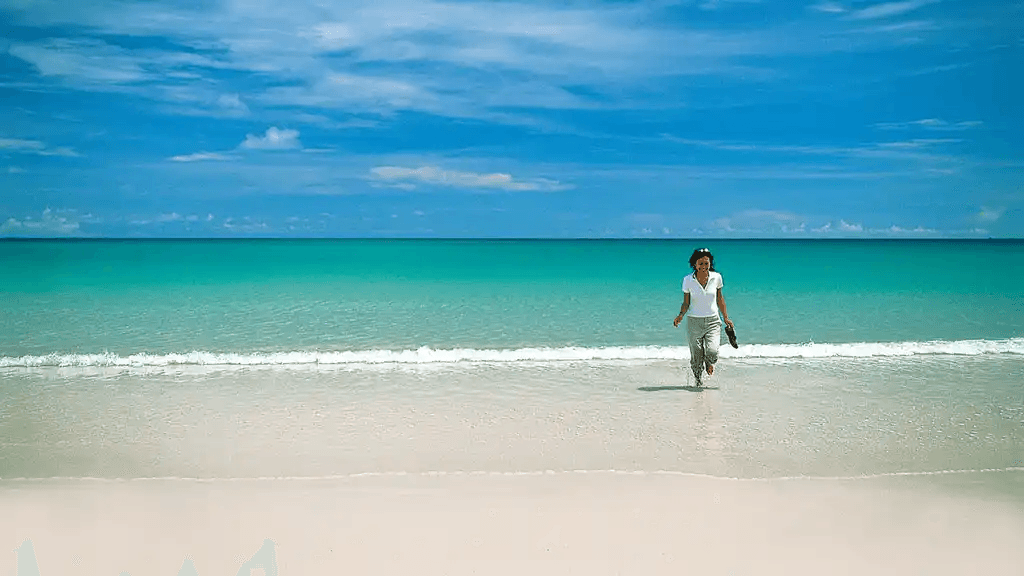
The water is clear, the sand is clean, and there is almost no commercial development in sight. During low tide, a sandbar emerges connecting the beach to a small neighbouring island, which visitors can walk across on foot.
The beach is well-positioned for sunset photography, facing west across the South China Sea.
It is about a three-hour drive from Kota Kinabalu, which keeps the casual day-tripper crowd away and preserves the quiet atmosphere. Renting a car or joining a chartered tour is the most practical way to get here.
Kelambu is the right choice if you want a beach that still feels like it belongs to you. Approximately 3 hours by car from Kota Kinabalu heading north toward Kudat. A chartered vehicle is recommended.
7. Tip of Borneo (Kalampunian Beach)
The Tip of Borneo, known locally as Tanjung Simpang Mengayau, is the northernmost point of Borneo Island, where the South China Sea and the Sulu Sea converge.
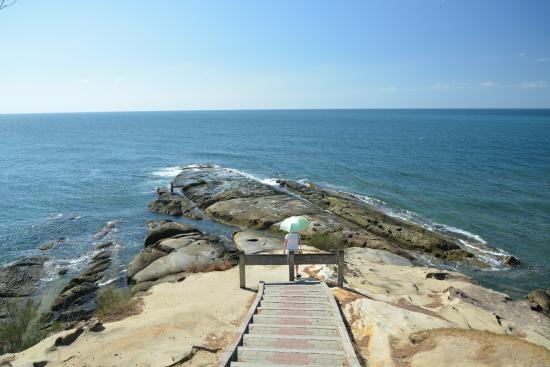
The beach here, Kalampunian Beach, is a broad stretch of golden sand bordered by low cliffs and backed by rolling hills. It is raw and dramatic in a way that the more developed beaches in Sabah are not.
The symbolic rock marking the tip of Borneo sits just back from the shoreline, and the view from the headland looking out over two seas simultaneously is unlike anything else in Malaysia. Sunsets at the Tip of Borneo are spectacular, and on clear nights the sky fills with stars.
The area around Kudat, the nearest town, is about 170 kilometres north of Kota Kinabalu. Staying overnight in Kudat gives you access to both the sunrise and the evening sky without rushing.
8. Mabul Island
Mabul Island is best known as the base for divers heading to Sipadan, but it deserves recognition as a beach destination in its own right.
The island is larger and more developed than Sipadan, with a wide beach lined with wooden stilt resorts and a Bajau Laut sea gypsy village that adds a distinct cultural character to the place.
While Sipadan offers dramatic wall diving, Mabul is famous for muck diving. The sandy seabed around the island is home to extraordinary macro marine life including pygmy seahorses, frogfish, nudibranchs, and mimic octopus.
For underwater photographers, Mabul is one of the best places in Asia to work.
The beach itself is simple and quiet, with warm shallow water and sunset views across the Celebes Sea. The stilt bungalows built over the water are one of the defining images of Sabah’s east coast diving scene.
Getting there: Fly to Tawau Airport, then transfer by road to Semporna, followed by a 45-minute speedboat ride to Mabul Island.
9. Sapi Island, Tunku Abdul Rahman Marine Park
Within the Tunku Abdul Rahman Marine Park, Sapi Island Kota Kinabalu, often gets overlooked in favour of the more well-known Manukan.
That is a mistake worth correcting. Sapi is smaller and quieter, and its southern side has the highest concentration of hard coral in the entire marine park. Snorkelling here is excellent, with healthy reef systems and good fish diversity close to shore.
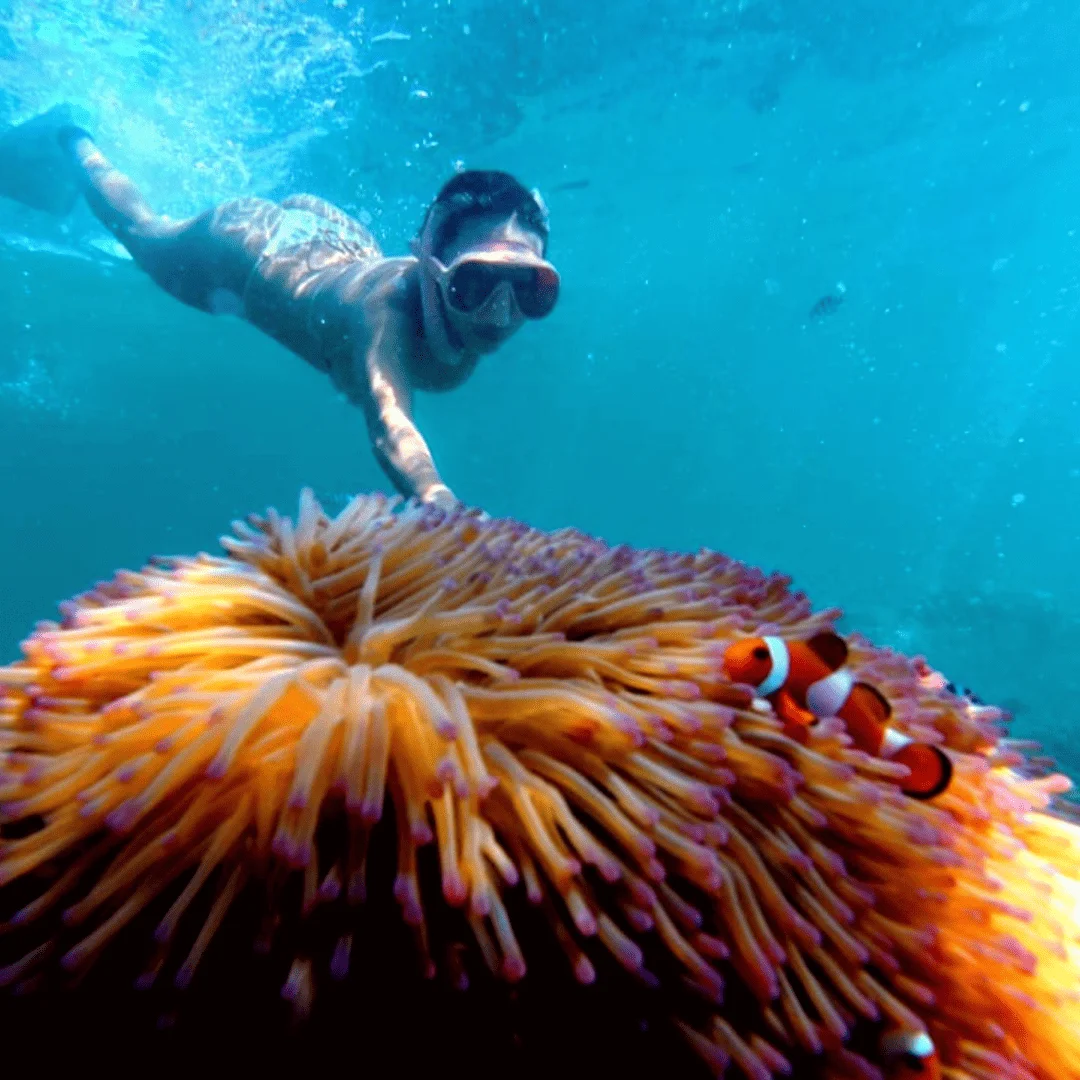
At low tide, a sandbar appears connecting Sapi to the much larger Gaya Island, making it possible to wade between the two islands on foot. Sapi also has the longest trail network in the park, with 5 kilometres of jungle paths winding through the forested interior.
Camping is permitted on the island with a fee, and a small café operates during the day. It is the right choice for travellers who want the marine park experience with fewer people and more nature.
10. Bak-Bak Beach
Bak-Bak Beach sits about 11 kilometres north of Kudat town and is one of the most accessible natural beaches in Sabah’s north.
The water is turquoise and shallow, with visibility good enough to see the sandy bottom from the shore. At high tide, the conditions are calm and ideal for swimming. At low tide the shallow stretch extends a long way out.
The beach is popular with local families on weekends but remains quiet on weekdays, making it a good option for a relaxed stop without crowds. Colourful decorations and photo booth installations have made it a popular social media spot in recent years.
Facilities, including public toilets, are available on site. Bak-Bak pairs naturally with a visit to the Tip of Borneo, since both are in the Kudat area and the drive between them takes around 15 to 20 minutes.
Best Time to Visit Sabah’s Beaches
The dry season in Sabah runs roughly from March to October, with July to September generally offering the calmest seas and clearest skies.
During this window, island boat trips are more reliable, snorkelling visibility is at its best, and the risk of rough seas is lower. The west coast beaches around Kota Kinabalu, such as Tanjung Aru, Manukan, and Pantai Dalit, are generally accessible year-round.
The east coast dive destinations around Semporna, including Sipadan and Mabul, are best visited between April and October. Sipadan closes every November for conservation.
For the Tip of Borneo and the beaches around Kudat, aim for the dry months. The exposed northern position can see rougher conditions between November and February.
Plan Your Sabah Beach Trip with City MPV Travel and Tours
Reaching the best beaches in Sabah often means navigating long drives, jetty transfers, and boat schedules that can be difficult to coordinate independently.
City MPV Travel and Tours, based in Kota Kinabalu, handles the logistics so you can focus on the experience.
Whether you are looking to island hop through the TAR Marine Park, explore the beaches of northern Sabah, or combine a coastal day with a cultural tour of Kota Kinabalu, City MPV offers a range of well-organised options suited to different travel styles.
Browse the full tour list at citympvtravel.com to start planning